
Nothing here is ironic. I do apologize.
Exhibitions and Commissions
-
![]()
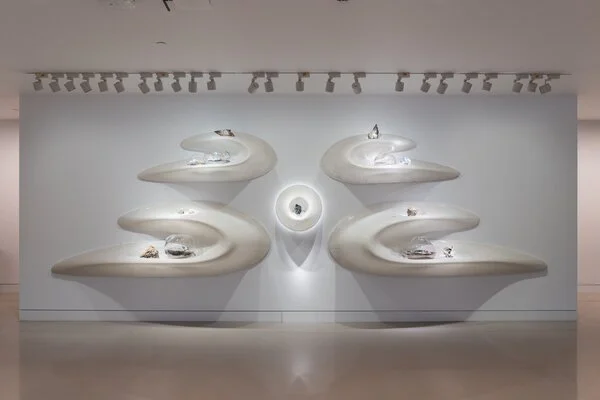
Caves and Minds
10' H x 24' W x 2'10" D
Cast fiberglass, hand-blown glass, specimen crystals
Permanent commissionCaves and Minds was made for one of the museum's great interstitial zones — a space awarded through the museum's public art initiative, Art Everywhere. It sits near the entrance to Crystal Bridges' Contemporary American Art Gallery, close to the bridge that carries artwork, craft, and the museum's own Holy Grail Crystal.
The quartz comes from the Ouachita Mountains, among the clearest crystal deposits in the world. Dozens of clear quartz wands are arranged inside five hand-blown glass vessels — micro-landscapes nested within a larger landscape of seven crystal specimens gathered from around the country, including a Herkimer diamond set in roughly 500-million-year-old dolomite from near my family's land in Upstate New York, alongside Wavellite and Dragon Scale Calcite.
The piece works through the same dialectic as the rest of my practice: exacting technical control, handed to conditions no one controls.
Getting the light right, in a room full of daylight, took real time — working with Linnaea Tillett Lighting Design Associates, we tested approach after approach until we found something soft enough that the fiberglass itself seems to hold and glow, washing over glass and crystal rather than striking them. That precision exists for one purpose: to be surrendered to whatever the room's actual daylight does on a given afternoon. The crystal was pulled from the ground; the fiberglass was engineered and cast by fabricators I worked with closely to get exactly this effect. Both are handed, finally, to weather and to the visitor passing through — the industrial and the geologic, sitting inside the same object without either one apologizing for the other.
At the center, within a lit dome, sits a piece of Peacock Ore, the Stone of Joy — a stone that formed in total darkness, brought into a museum built almost entirely of light.
-
![]()
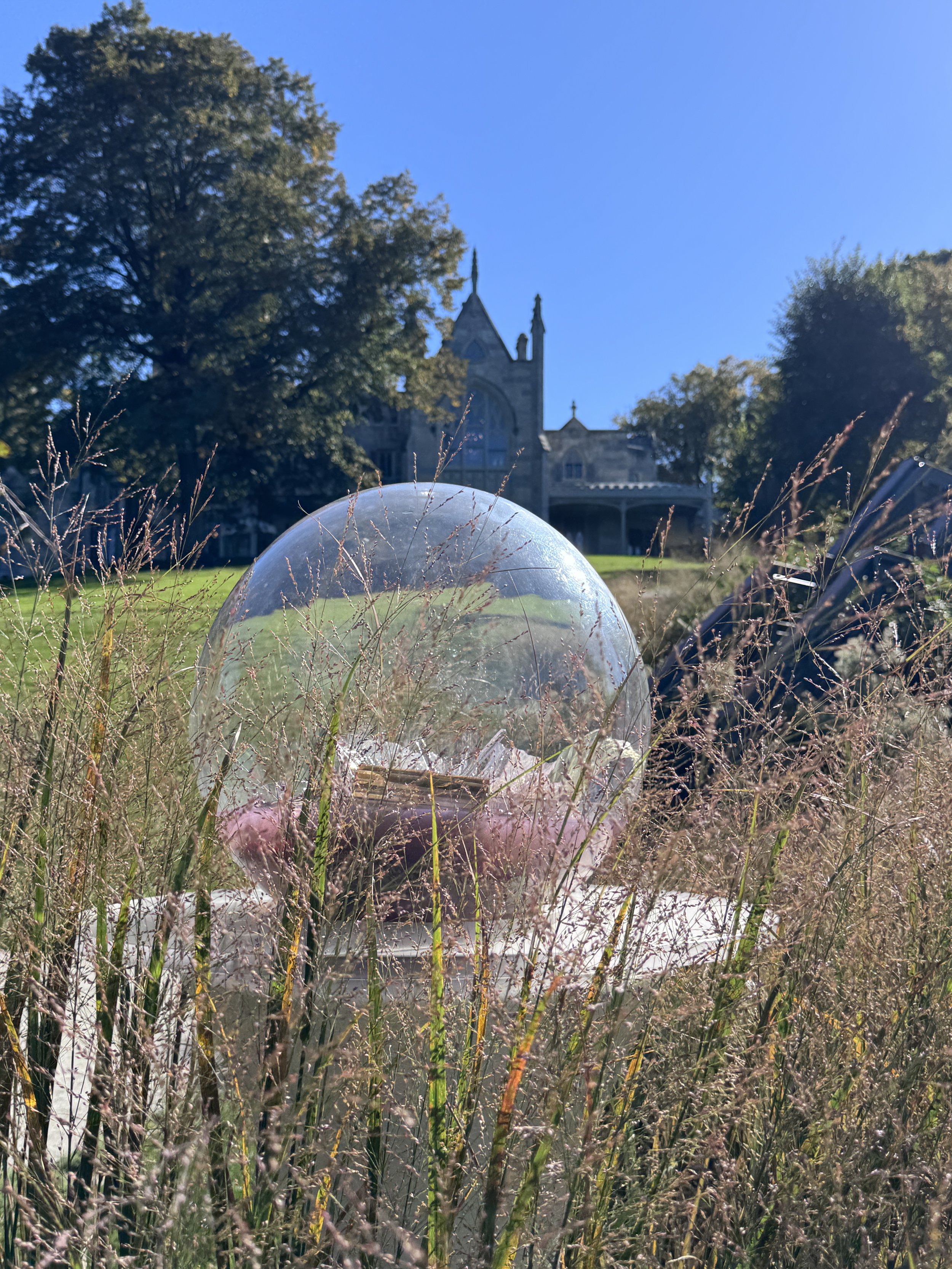
Paula Hayes Garden at The Overlook, Lyndhurst Mansion, Tarrytown, NY
Lyndhurst Mansion, Tarrytown, New York, 2025–26
Pollinator garden, three Gazing Globes, Lyndhurst Purple tinted birdbath, bronze Gnome sculptureFor the surrounds of the 2025–26 renovation of the Overlook viewing platform at Lyndhurst Mansion, I made a mandala-shaped pollinator garden with three Gazing Globes, a Lyndhurst Purple tinted birdbath, and a bronze Gnome.
Andrew Moore, a longtime colleague and landscape architect at Quennell Rothschild & Partners, worked with me on the planting plan. The palette leans on native grasses — Blonde Ambition blue grama, Northwind switchgrass, Standing Ovation little bluestem — moving through the mandala in bands, with purple coneflower and bluestar amsonia bringing in the color pollinators are actually looking for, and a low run of white clover underneath.
The Gazing Globe and the garden gnome are not ornaments here — they are symbols, inherited from a garden tradition that treats them as kitsch, deployed with the same seriousness as any bronze on a pedestal. The globes are built from cast-off radio parts and repurposed polycarbonate: objects that don't create an image so much as become whatever arrives at them — light, weather, a passerby's reflection, for as long as that thing is there. The bronze Gnome works the dialectic from the other direction: a symbol built for permanence, returned to a place where it will be rained on, walked past, weathered. Both, along with the birdbath, are colored to sit inside the grasses and coneflowers rather than stand apart from them — not camouflage, but tuning sculpture and meadow to the same register.
Helen Gould planted her own rose garden at Lyndhurst in the early 1900s — a circle of some 500 roses, originally shades of pink only. She was, by the account of those who knew her, devoted to flowers and horticulture. This garden takes up that devotion and answers it from another century, with instruments — the globe, the gnome — that could not have existed for her, and materials she would not have recognized as garden materials at all. It is a continuation of her care for this site, made in a vocabulary only available a hundred years later.
-
![]()
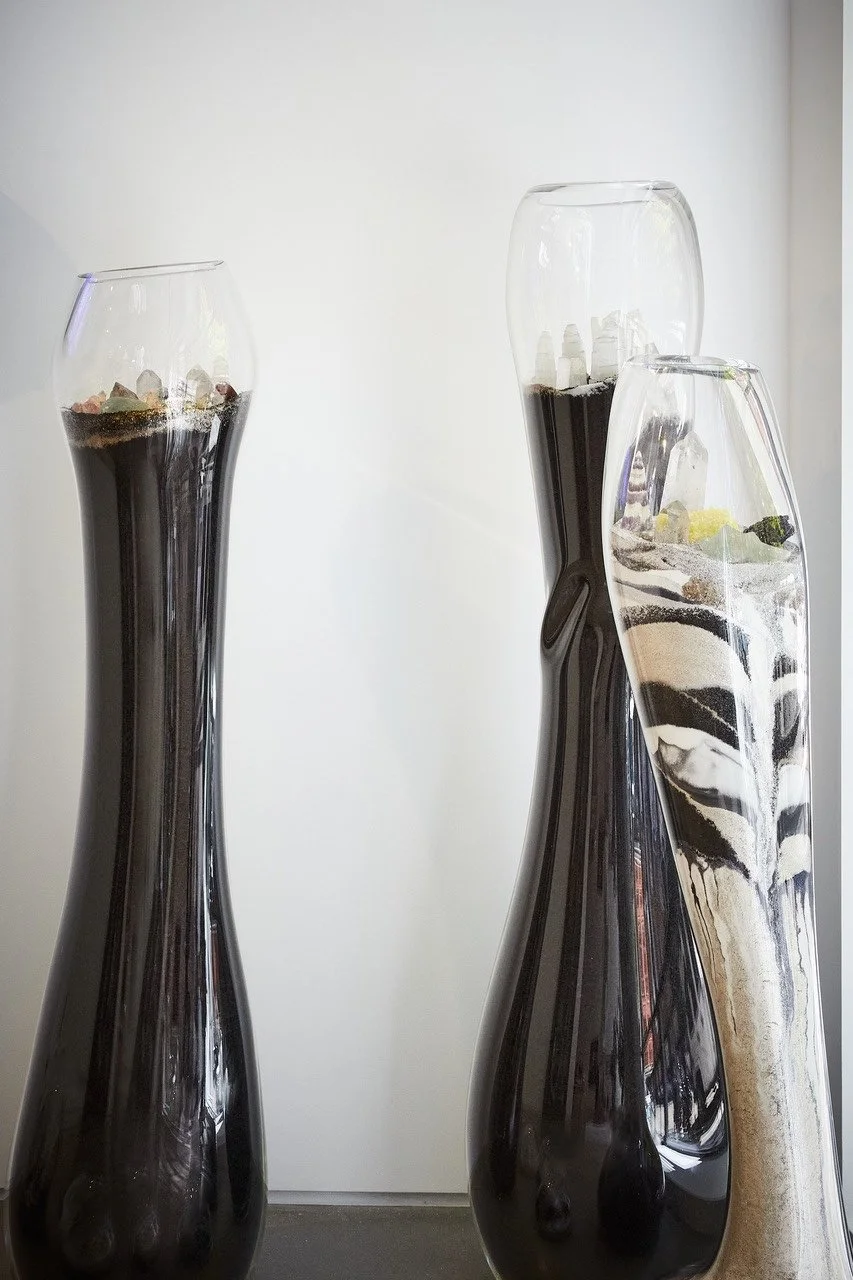
Giant Crystal Terrariums at Cristina Grajales Gallery, New York, NY
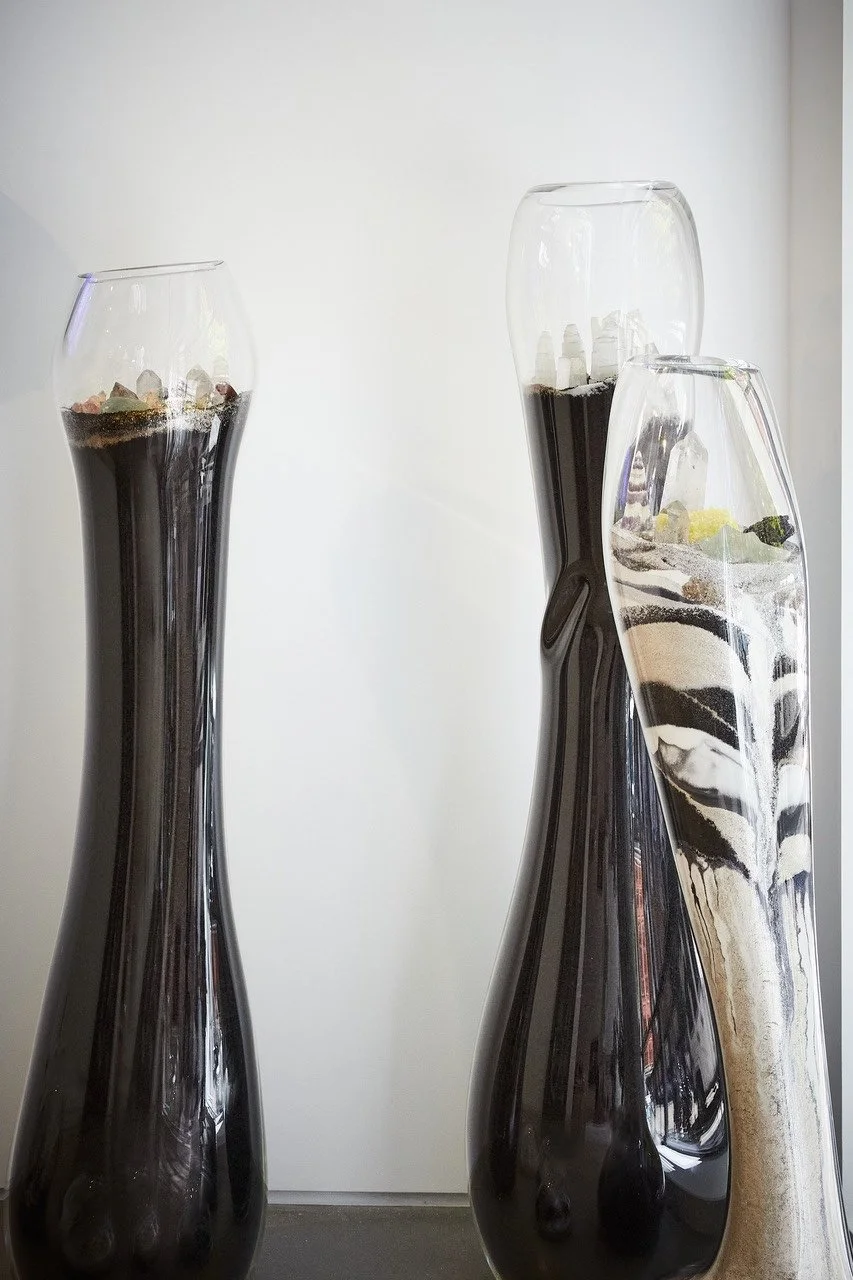
60" H x 10" W, hand-blown glass, shredded rubber, glitter, sand substrate, specimen crystals
These are terrariums created for gazing rather than growing — tall glass vessels holding no living plant, rather strata of sand, shredded rubber, glitter, and specimen crystals gathered near the top like something set on an altar. I think of them as shrines built from the same impulse that makes anyone collect: the wish to gather what catches you and keep it somewhere you can return to. The terrarium itself was an accidental invention — a London physician sealed a fern spore in a glass bottle in 1829 hoping to hatch a moth, and found the fern thrived in air that would have killed it outside, in soot-choked London. What he'd built without meaning to was a kind of womb made of glass, carrying life through conditions it couldn't survive in the open. By 1851 one of his cases sat inside the Crystal Palace, a plant alive after eighteen years without water, on display in a building made entirely of iron and glass. It was a shrine to what the era had made, and also, quietly, to what the era feared — marvel and dread arriving together, inseparable.
The Victorians gazed into crystal too, in a different register — crystal balls and scrying mirrors had real vogue, tied to a hope that looking long enough into something clear might show you another world. I don't think that impulse ever left; it just changed instruments. A telescope pointed at the galaxy is a kind of crystal gazing, and I think of my gazing globes the same way — chimes as much as mirrors, open forms built to catch whatever moves through them without insisting on what they should receive. Giving up that insistence is its own kind of loss of control, close to what the Victorians felt reaching for their machines and their séances in the same breath. Something in us keeps wanting an intermediary — glass, crystal, machine — that can carry us a little further than we can go alone. The materials underneath these crystals don't hide what era made them: shredded rubber and glitter sit in the sand like sediment, industrial residue standing in for geologic time, fear sitting honestly next to the specimens rather than smoothed away. Underneath that, something more stubborn — the pull to gather and arrange anyway, even in a glass that holds no plant at all. The undefended object here is a bare stone, given nothing to justify itself but the light that finds it and the attention of whoever stops to look.
-
![]()
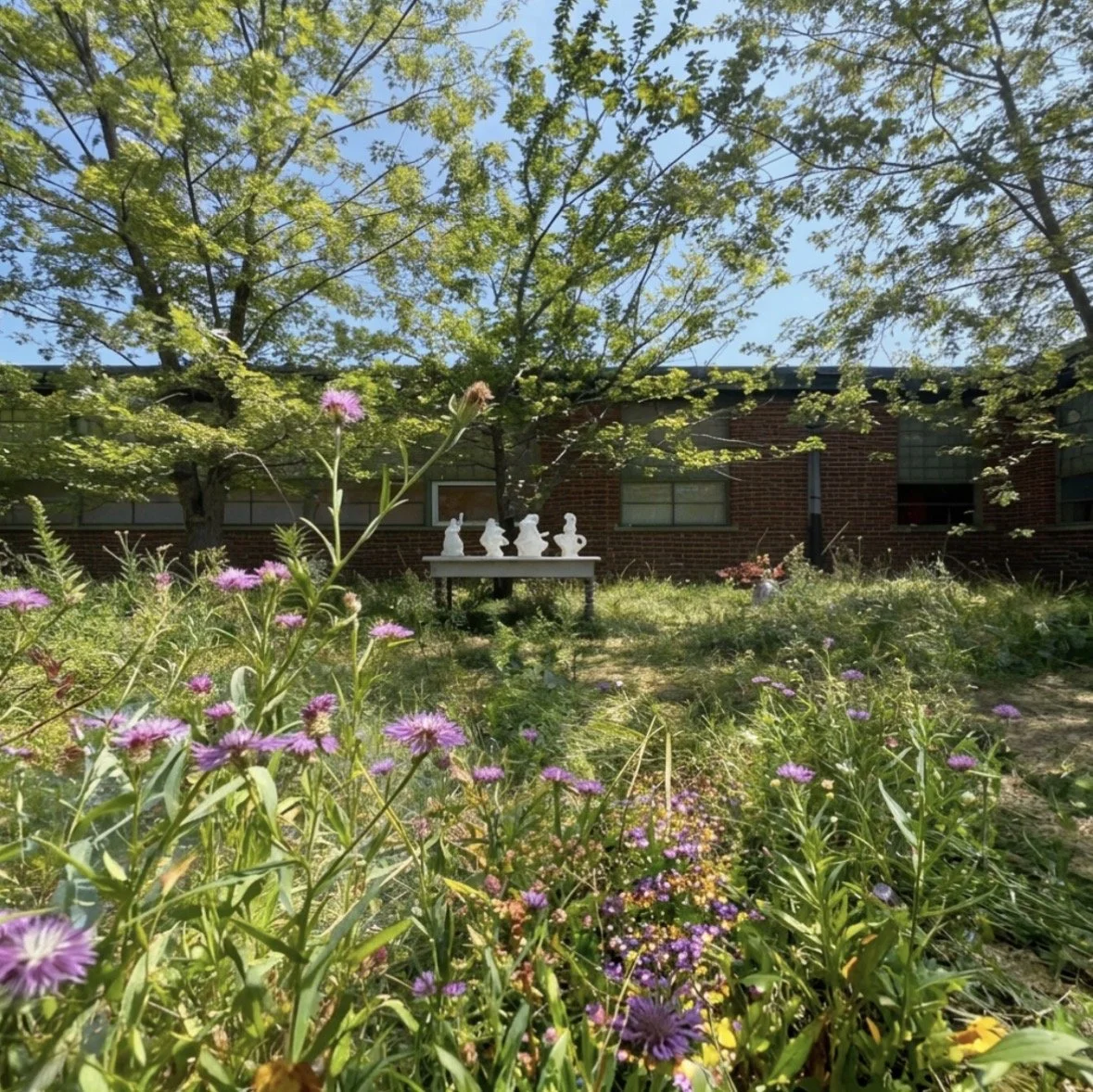
The Campus, Second Annual Exhibition- 2025
I carefully joined together my cast bronze, aluminum, fiberglass, hand blown glass, and EPDM rubber sculptures with the soil, insects, and wildness in the 1951 modernist upstate NY high school atrium. I got to know the space slowly, and gardened the wild space for the duration of the exhibition (June - October 2025).
-
![]()
Canoes
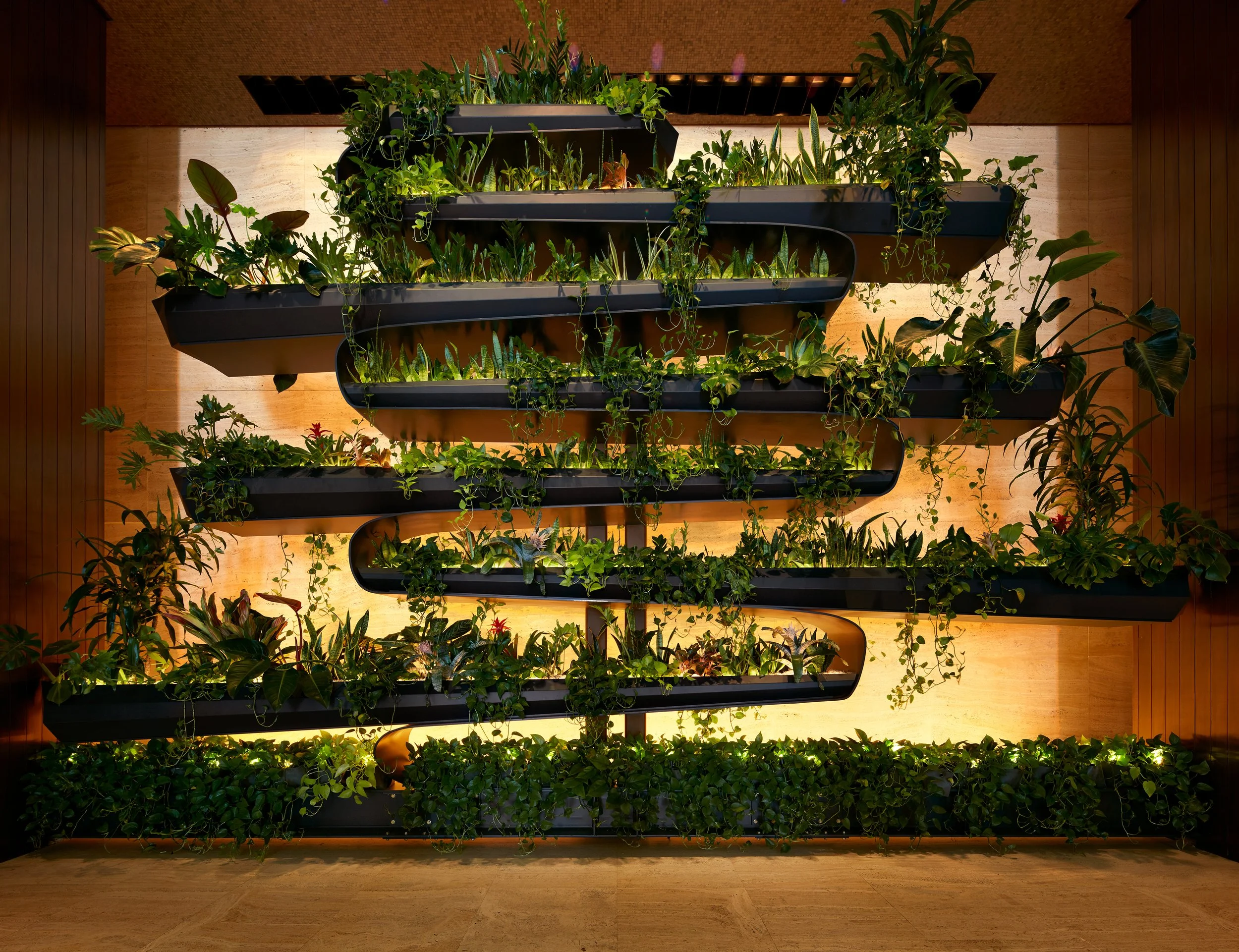
Canoes, 2016, Seagram Building, NYC, powder coated aluminum, stainless steel, live planting, lighting
-
![]()
Trees For ETs
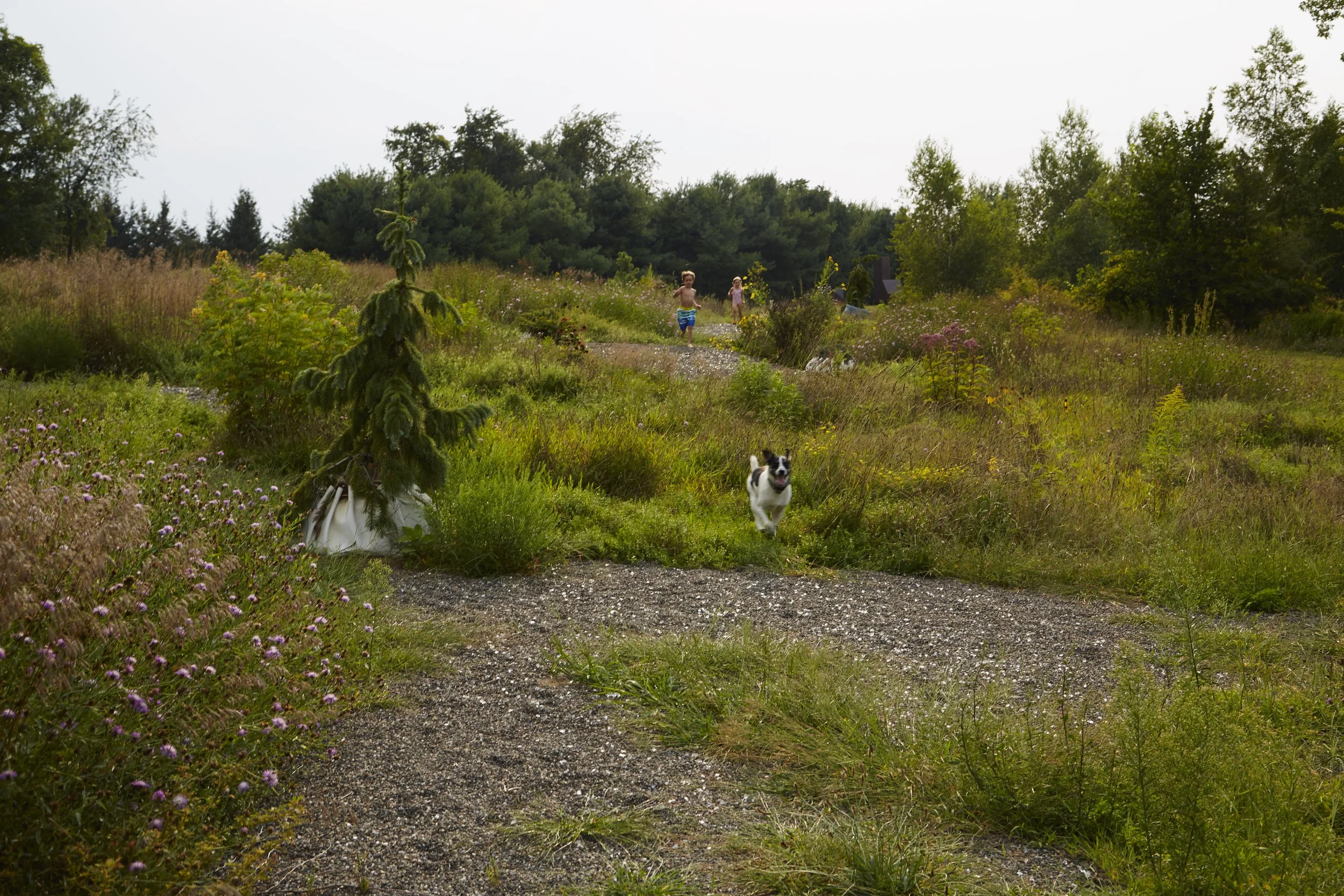
Art Omi, The Fields, Ghent, NY, 2008-2013
The E (exuberant) is for the dogs and children who could see my artwork made for the Terrestrial wanderers.
The adult humans saw a messy field I think: Uncut grass, freely flopping flowers, sparkles of glittering glass, and blob forms with weeping evergreens and wily vines.
The affection I feel for freedom to grow as you are is my approach to a gardens, with minimal cutting or intervention. It’s not that I don’t plan on doing anything at all, in a lot of ways it’s harder to have this kind of garden. Socially it is, indeed. It’s about timing (intervening minimally at the right time), and paying close attention, being very patient (because you will fail at some things and will need to transform and begin again) and be a deep editor in order to stay committed. I have proven in my life this is all possible.
-
![]()
Gazing Globes
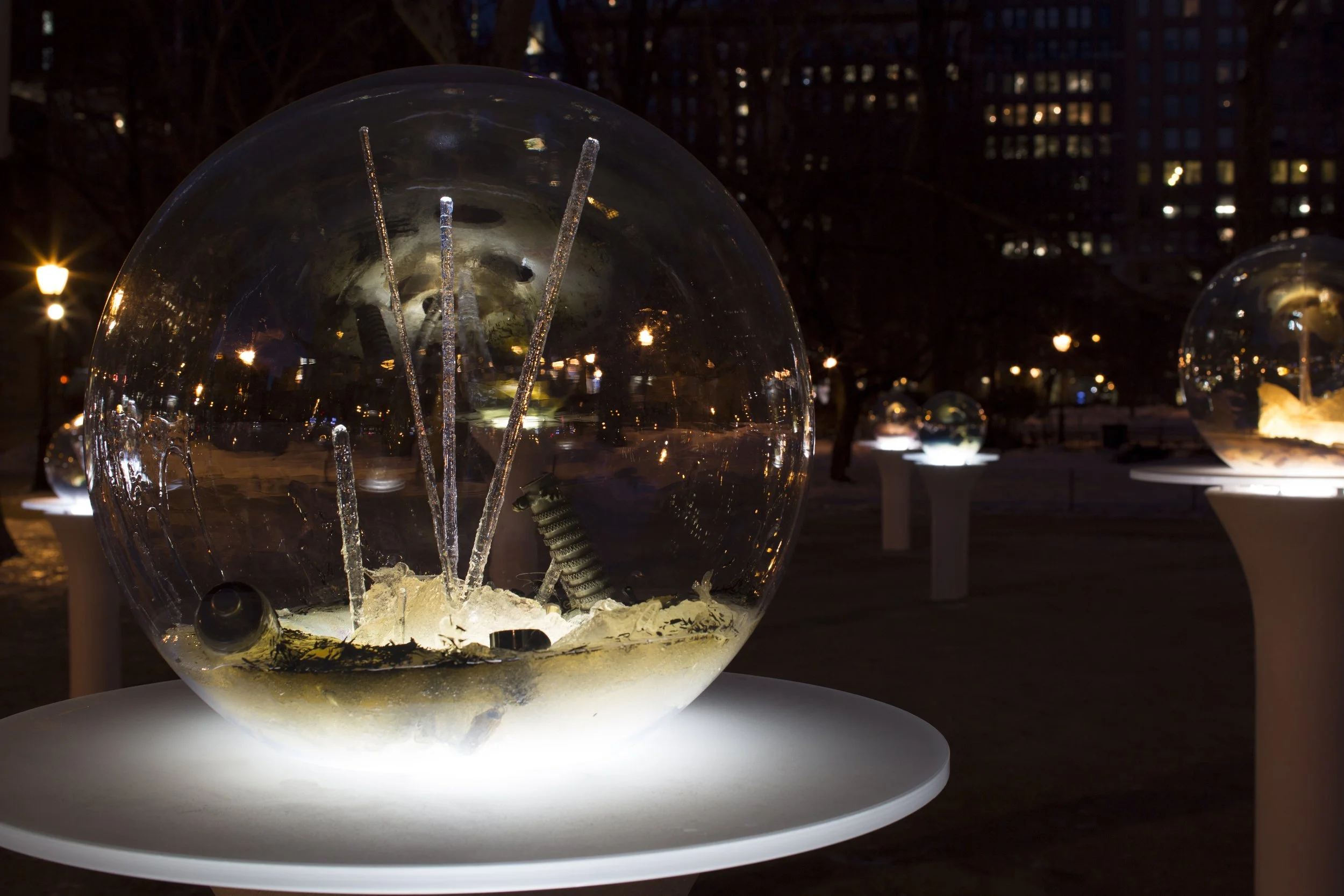
Madison Square Park, NYC, 2012, Polycarbonate, silicone, fiberglass, radio transistor parts, glitter
-
![]()
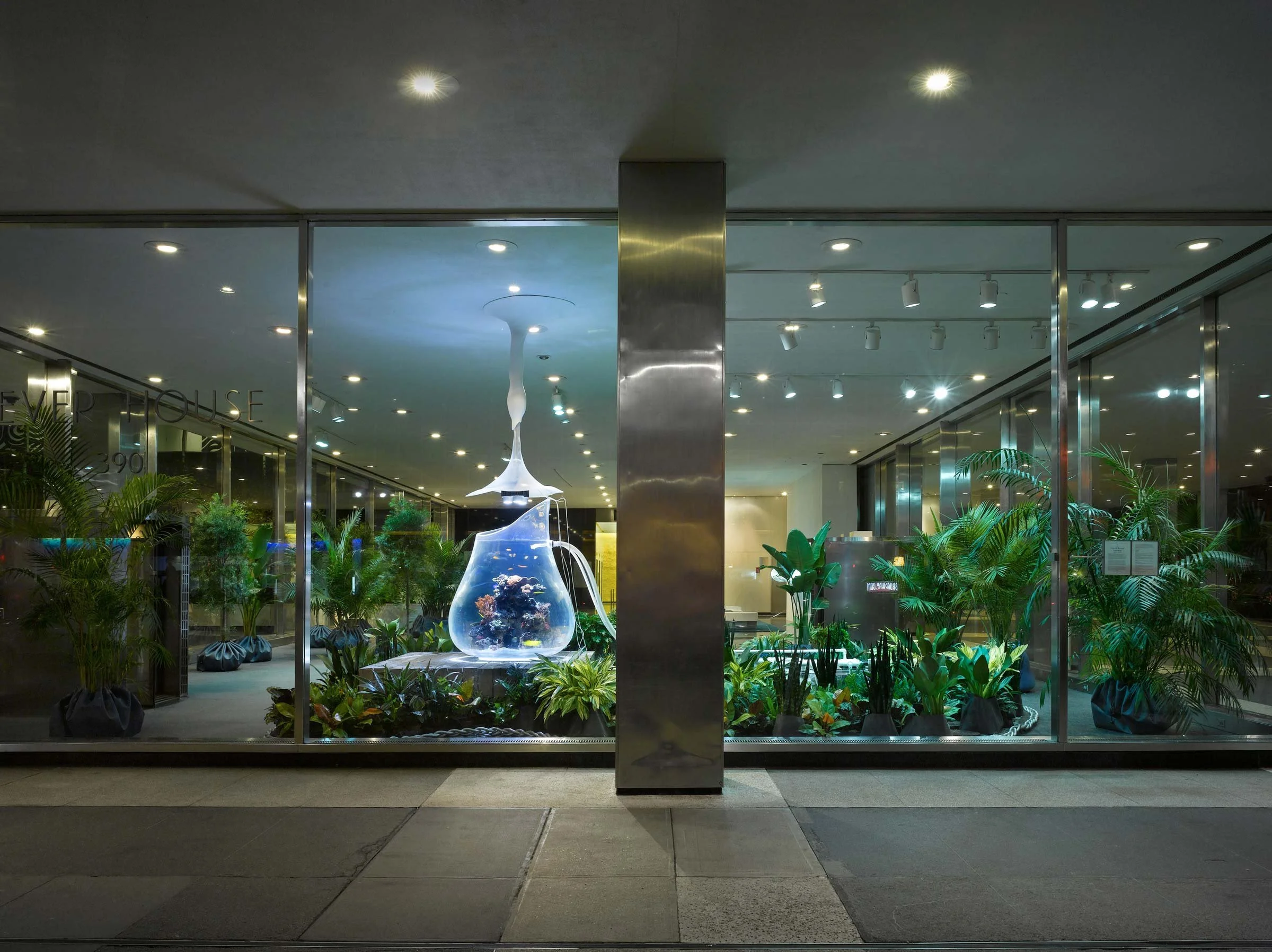
Land Mind
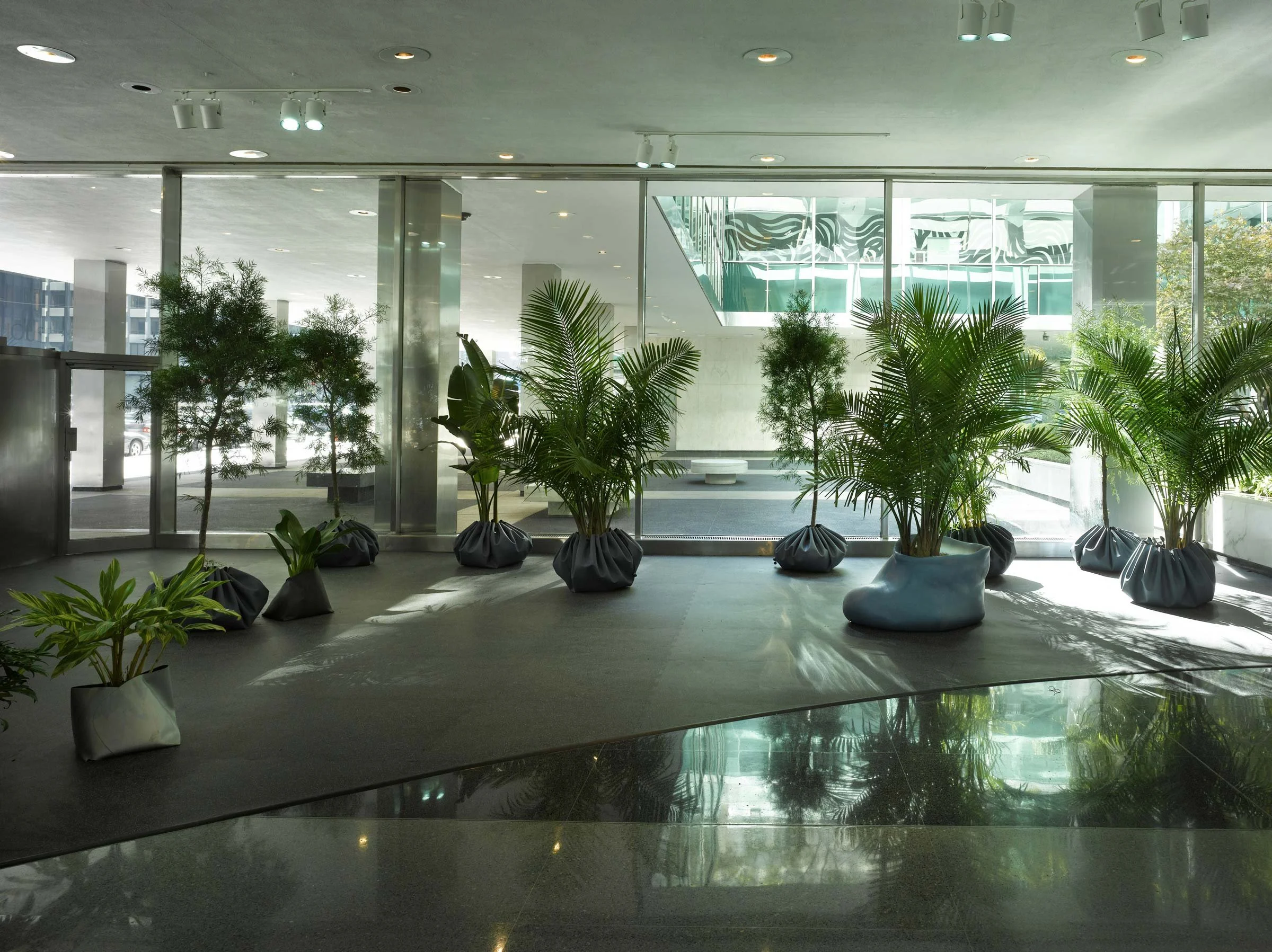
Lever House, NYC, 2012
Cast acrylic, salt water aquarium with tropical fish and plants, filtration system. silicone planters tropical planting, recycled rubber flooring
-
![]()
Land Mind
Lever House, NYC, 2012,
Cast acrylic, salt water aquarium with tropical fish and plants, filtration system. silicone planters tropical planting, recycled rubber flooring
-
![]()
Paula Hayes/Solo Exhibition
Wexner Center For the Arts, Columbus, Ohio, 2011
-
![]()
Paula Hayes/Solo Exhibition
Wexner Center For the Arts, Columbus, Ohio, 2011
-
![]()
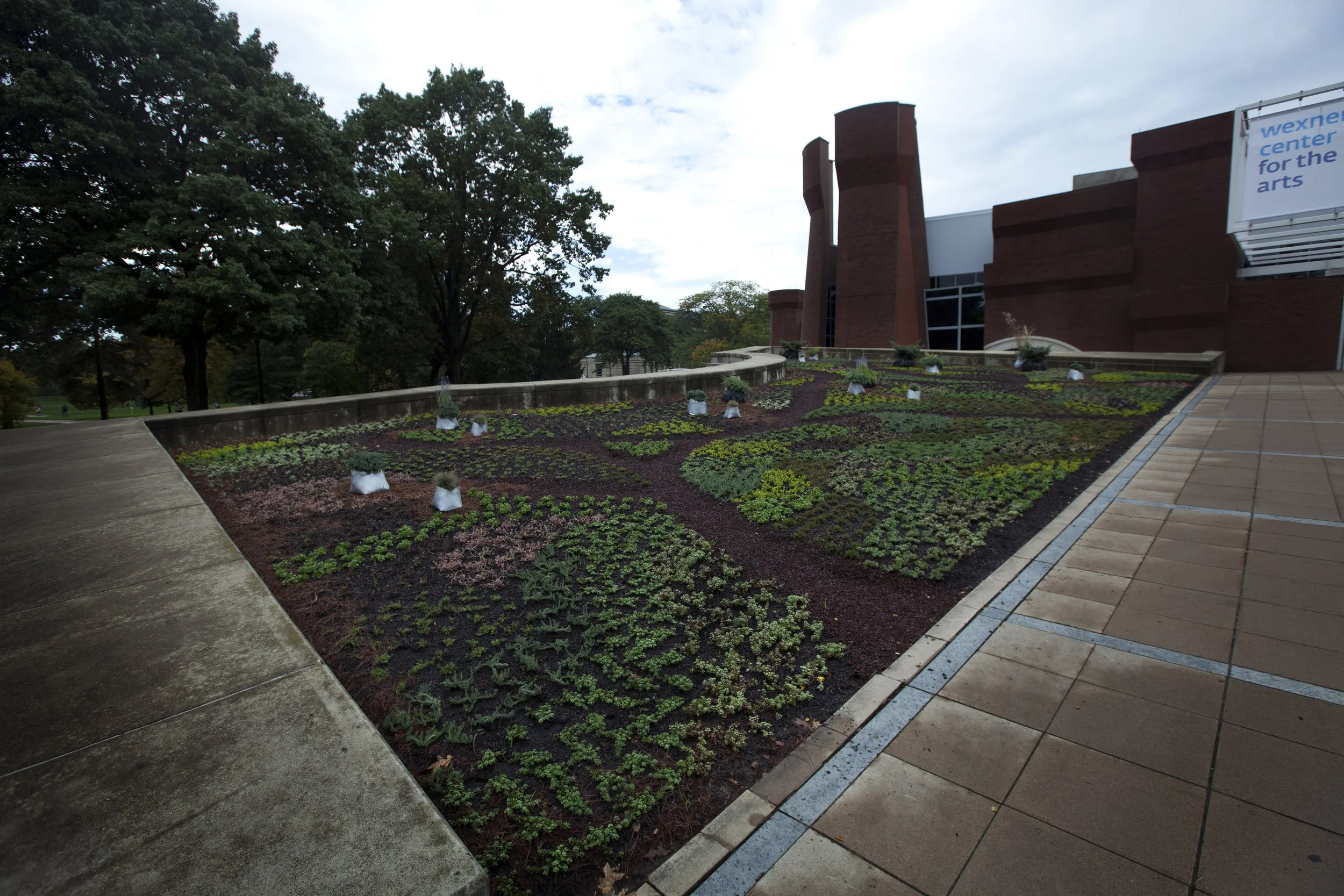
Wexner Center For the Arts Roof Garden
2011, sedum, grasses, and evergreen shrubs in planters
-
![]()
Nocturne of the Limax Maximus
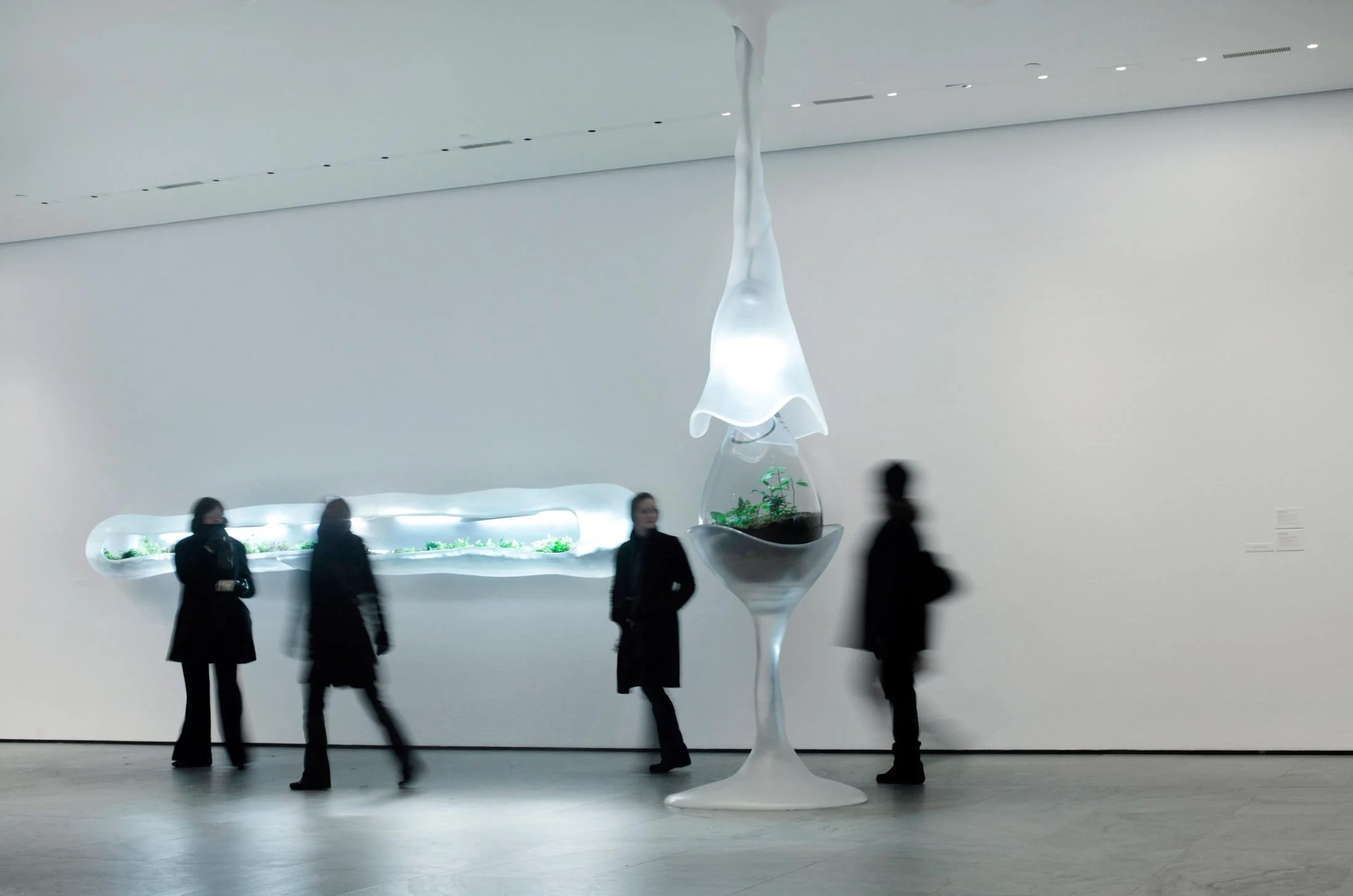
Museum of Modern Art, NYC, 2010
Inspired by the dance of hermaphroditic slugs in the forest at night, two electrically lit plantings encased in curvy plastic pods were cared for in the lobby of the Museum of Modern Art as folks passed through.
-
![]()
Understory
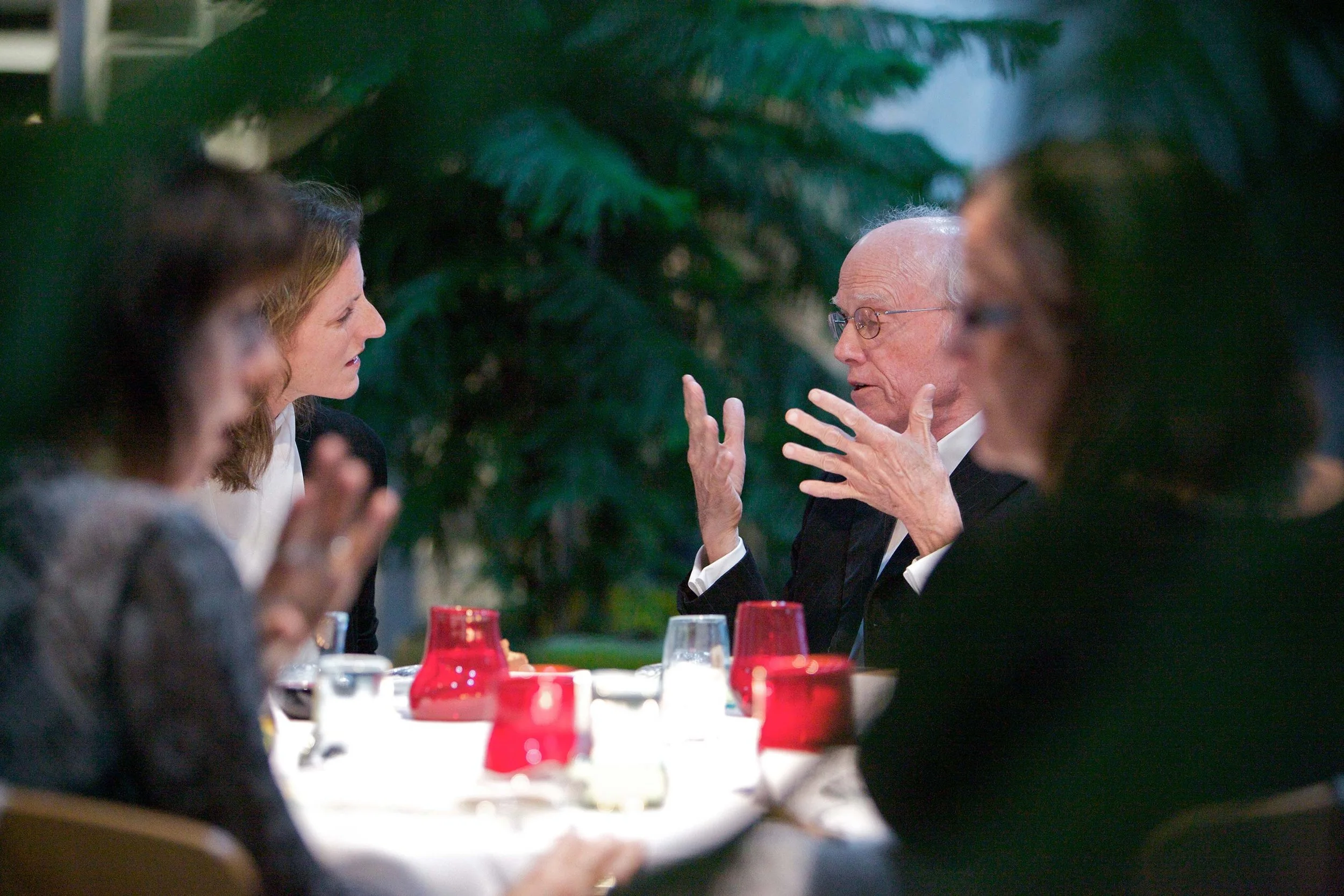
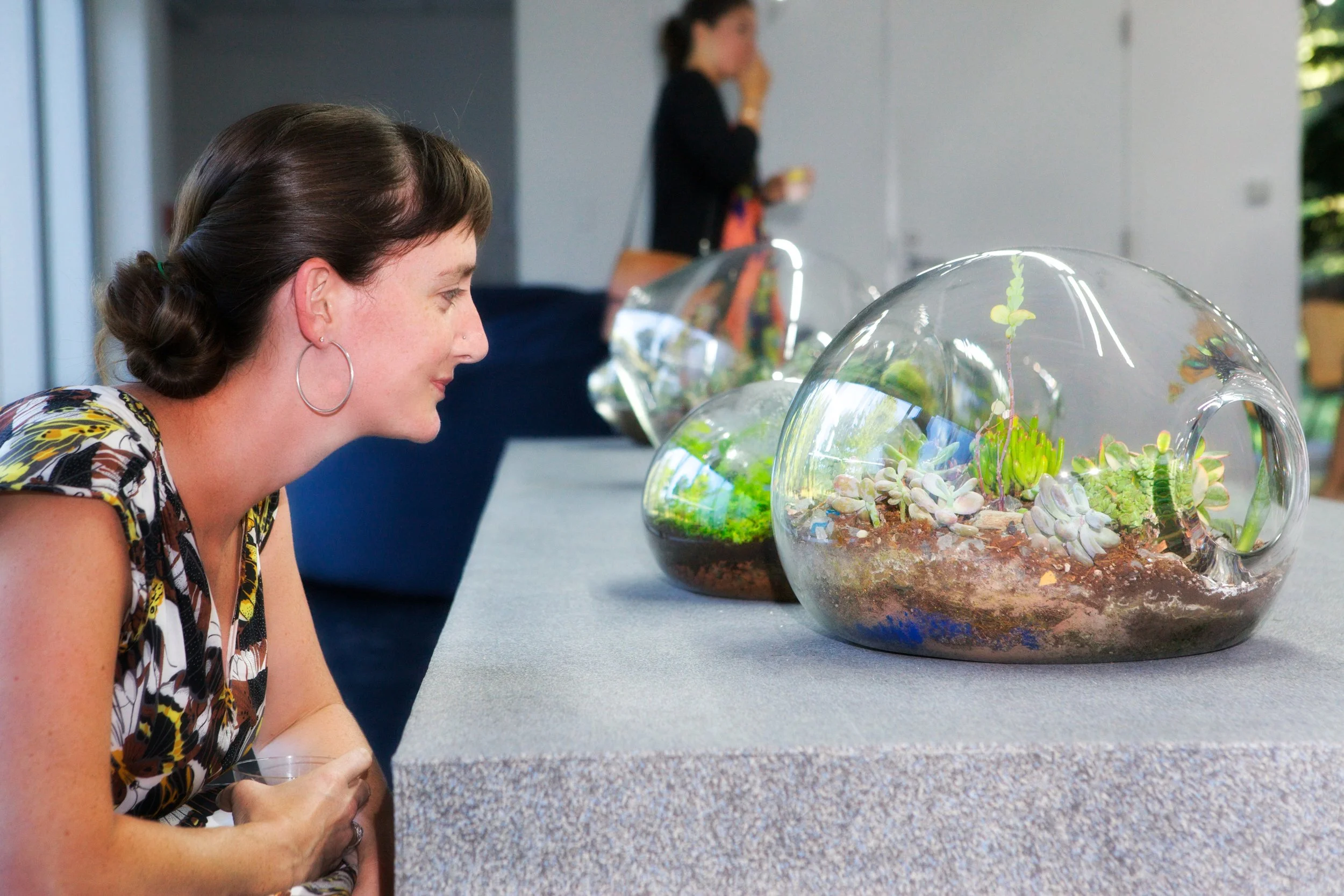
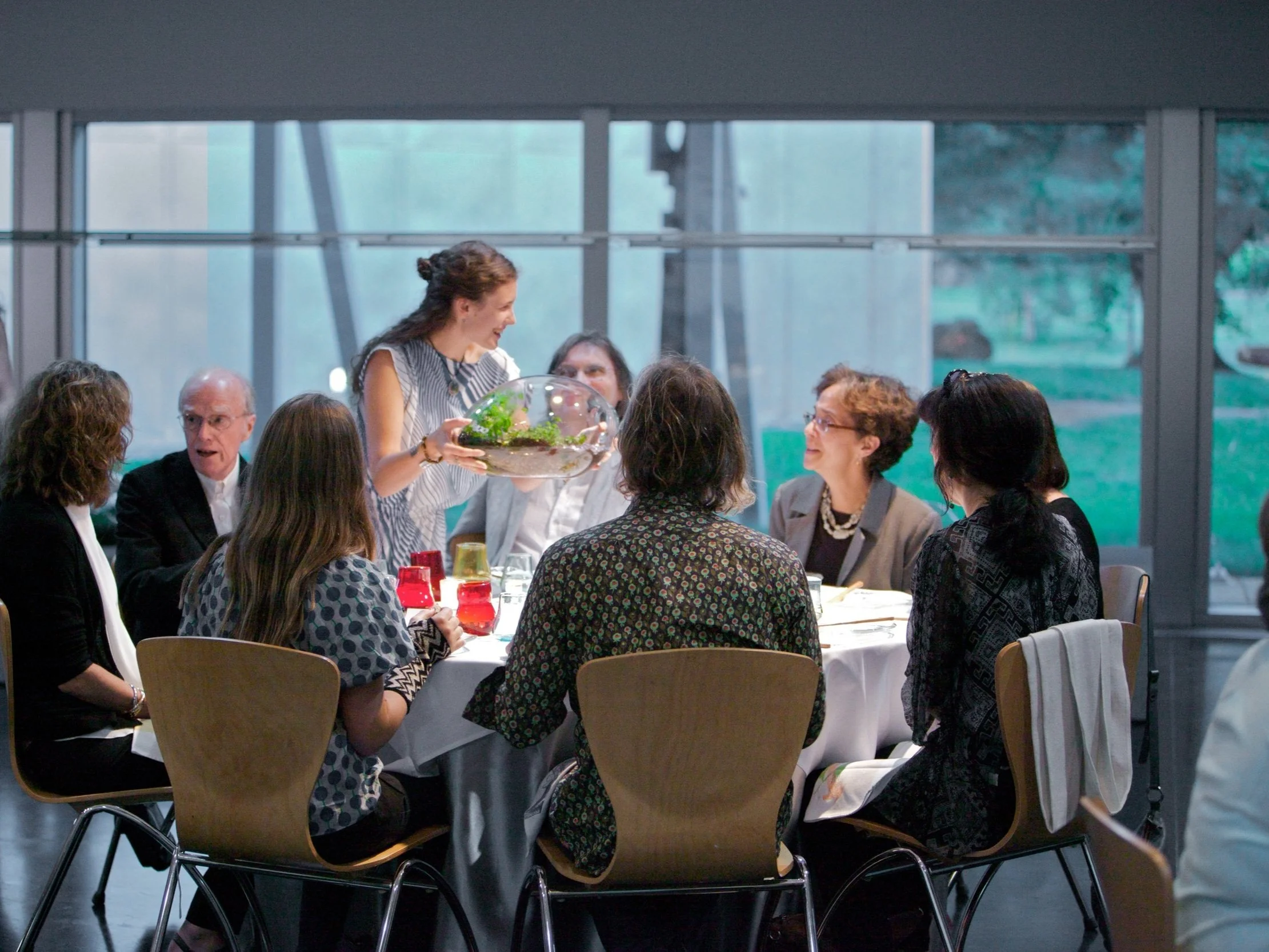
Tang Museum, 2010, Skidmore College, Saratoga Springs, NY
A series of ten dinners and talks in the museum, set amongst living art works cared by Skidmore students over the course of 10 months.
-
![]()
Understory
Tang Museum, 2010, Skidmore College, Saratoga Springs, NY
A series of ten dinners and talks in the museum, set amongst living art works cared by Skidmore students over the course of 10 months.
-
![]()
Understory
Tang Museum, 2010, Skidmore College, Saratoga Springs, NY
A series of ten dinners and talks in the museum, set amongst living art works cared by Skidmore students over the course of 10 months.
-
![]()
Spells, 2019-2023
Notational, 2023, Bill Arning Exhibitions, Kinderhook, NY, John Hatfield, Paula Hayes, Robin Kahn
-
![]()
Comets, 2022
Via Lactea, 2022, Cristina Grajales Gallery, NYC
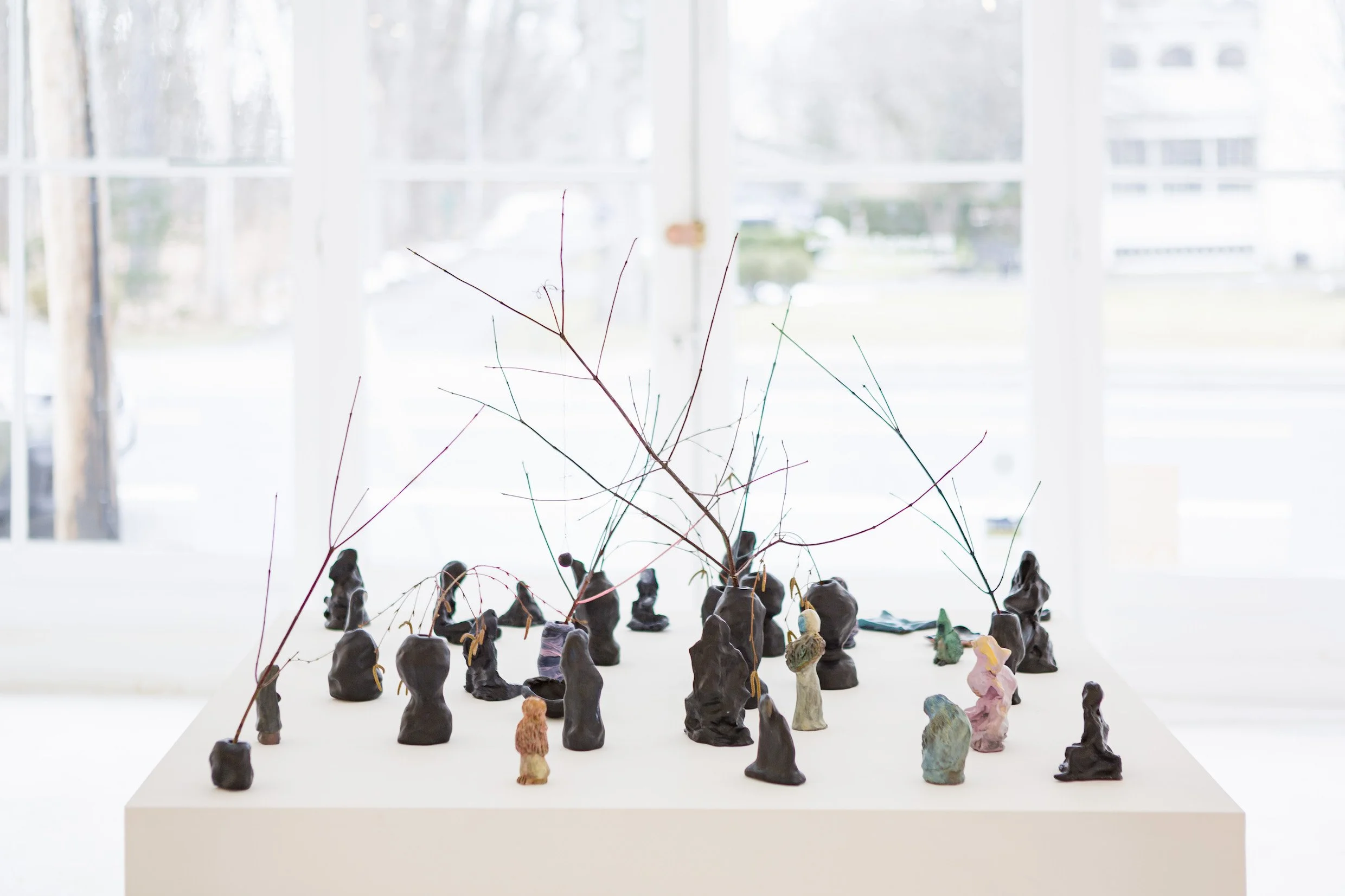
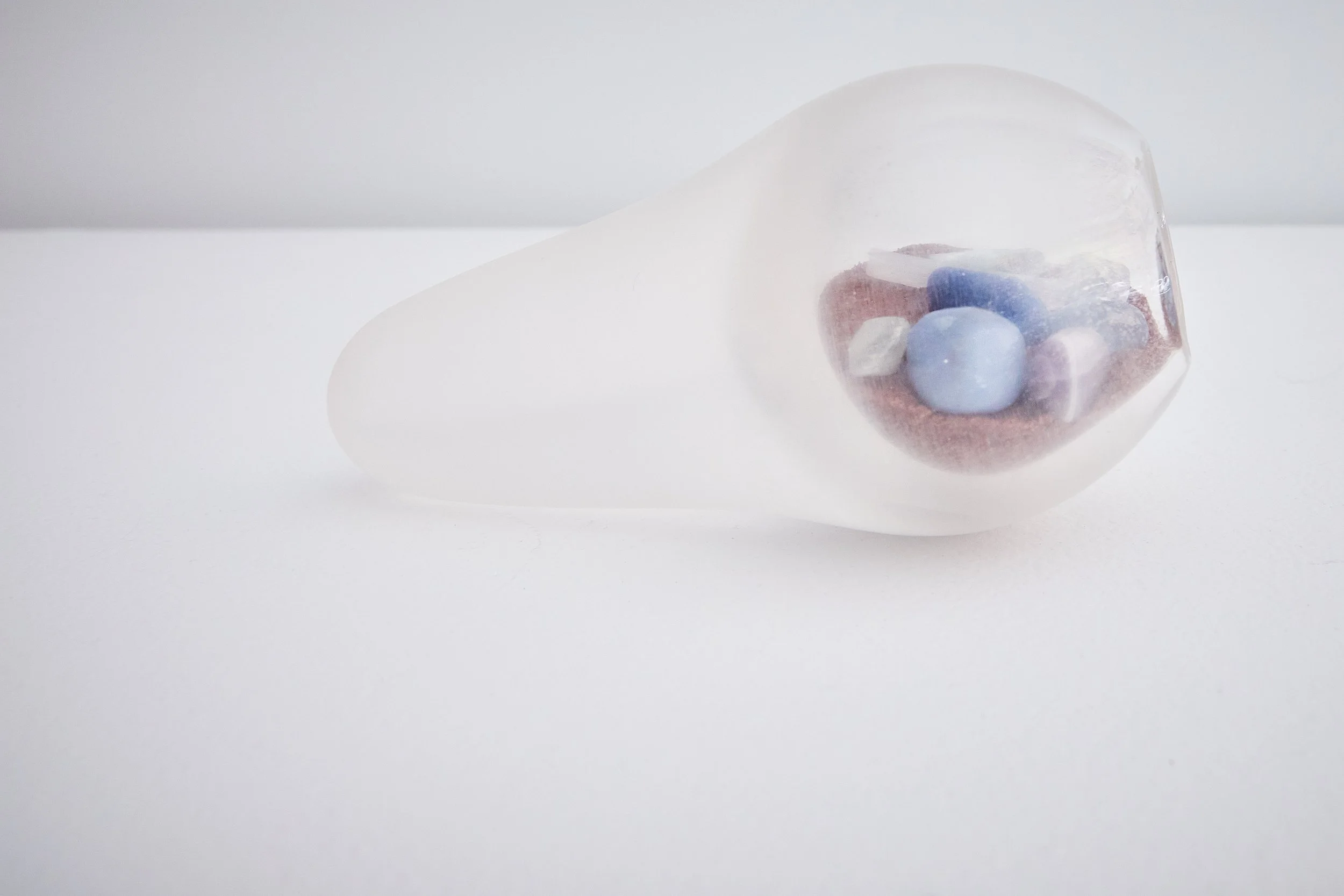
Selected Artworks
-
![]()
Only the Hunted, 2026, Cristina Grajales Gallery, NYC
Cast resin, 21” H x 14” w x 14” D
It began with a search for living energy in plastic clay with the heat of my hands — maybe like surrender, as I was sculpting heads in plastic clay, chasing expression almost obsessively. In the way plastiglomerates, a future fossil of us, is a sedimentary layer laying down in the earth, writing our story in our wake. So there's a sweetness to what happened next: that expression was eventually given up, handed over to the eye of the beholder, to whatever point of view arrives — light or shadow, reflection or distortion, the great unknown.
The original heads were 3D scanned, enlarged, then cast in resin from a mold. What's left of the facial detail is suggestive now, more like a ghost than a face — something given over to shadow, to light, to reflection. Every bit of light or dark that passes through is chance, and chance becomes its own story. A landscape, maybe. Or another soul.
I think of it as an undefended object. The work doesn't hold its expression the way the clay once did — it lets whatever arrives finish it. Not unlike a chime that doesn't repeat itself, only answers whatever wind shows up. The piece stopped being about what I could carve into a face, and became about what light is willing to write there instead.
-
![]()
Trapeze Chandeliers at Cristina Grajales Gallery, New York, NY
Cast Acrylic, stainless steel, wiring
Shown with 18” diameter rings attachments and bars.
43” L x 38” W x 56” H
The Trapeze Chandeliers are inspired by the beauty of trapeze artists, the allure and danger of Datura blossoms, and the kind of light that shimmers away quickly, like aurora borealis, or the first and last light of day.
The solidity of the lamp defies these kind of feelings, or experiences, so it’s also a kind of paradox about the continuum of living with fleeting feelings, as they are the norm and the rhythm of life.
-
![]()
Trapeze Chandelier, Cristina Grajales Gallery
Cast resin, stainless steel, 43” L x 38” W x 39.5” H
-
![]()
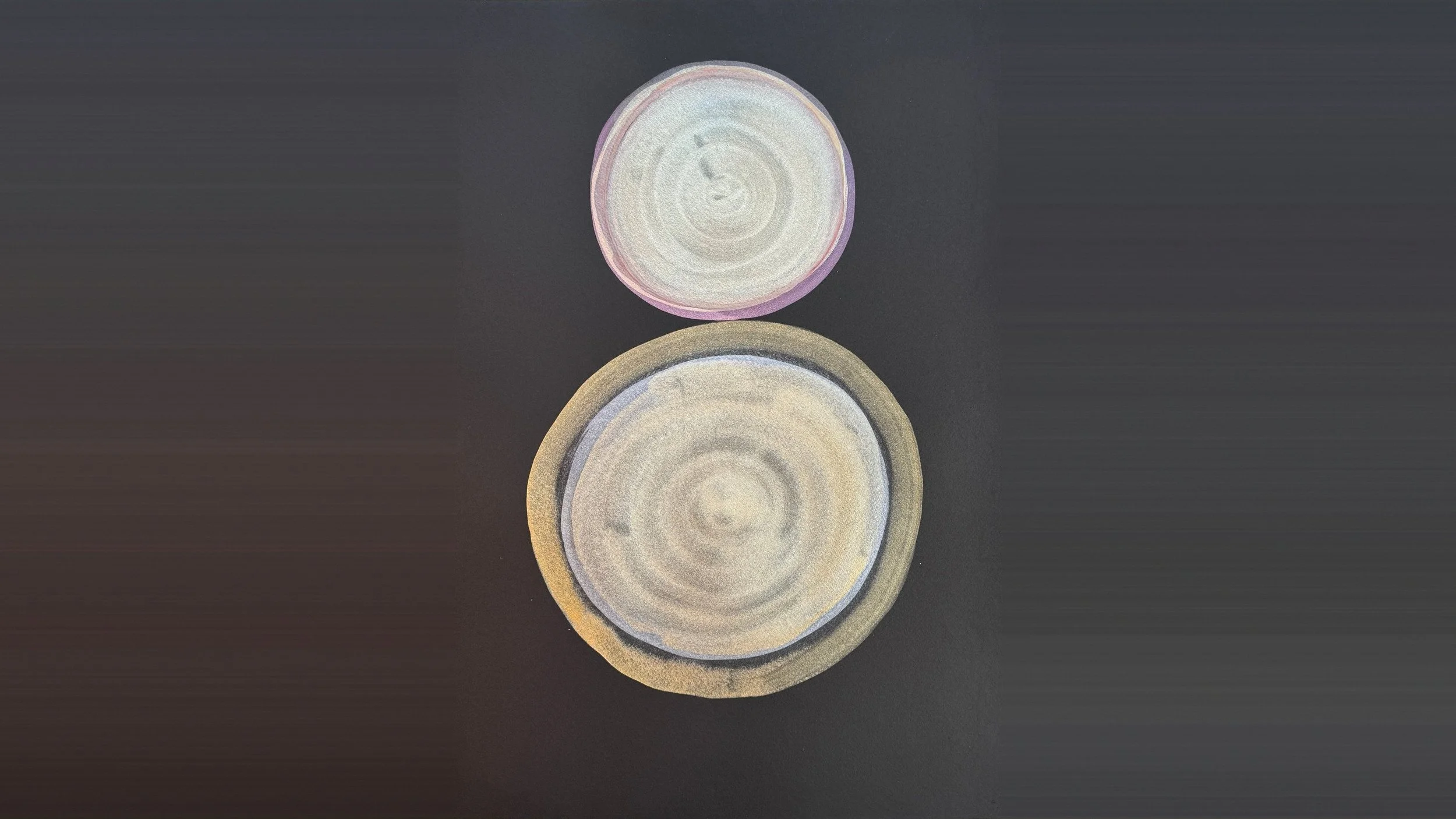
Mandala Watercolor 1
30”H x 20”W , watercolor and gouache on paper, 2026
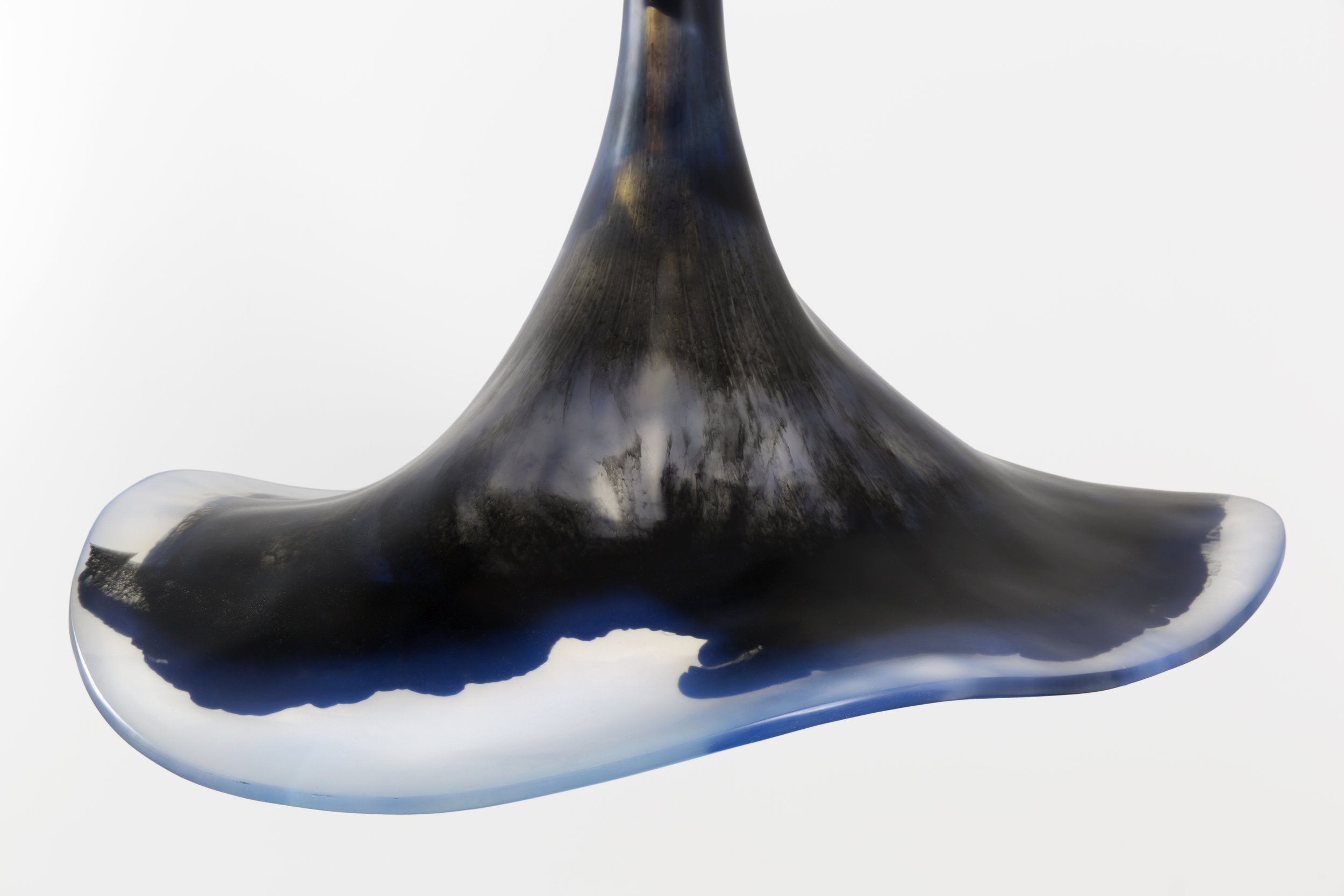
I make these glowy maps of my time daily. Iridescent watercolor goes straight onto black cotton paper in a long, meditative process of circling and hovering until the form meets me and rises. On the black, the pigment turns vapor-like and floats, and the sheet becomes depth. Around the translucent discs, opaque gouache builds into a paste: paint laid over light from inside the paint. The circling isn’t repetition; it’s conduction, like my hyper-mobile fascia, the sheath that wraps the muscle and lets the current through.
The sculptures are the same thought given a body: glass terrariums that look back at you, frosted domes with mirrored interiors, a reflective birdbath in MoMA’s sculpture garden, gazing globes in Madison Square Park and Lyndhurst Mansion’s landscape. My permanent commission Caves and Minds is a cave scaled so a mind can get close enough to look in. I’ve always been building a smaller cave. The sheet is one too.
The circles are also relationships: rings within the husk, bands outside it, some torn off and still traveling the same orbit. Two people are what each one is, plus everything cast off between them. Nothing is a perfect circle and nothing is an accident. Kepler’s ellipses were circles that had been through something. A perfect circle could only ever be mine. A wobbly one is ours.
I’m not the first to think this way. Steiner built the Goetheanum with no right angles, watched it burn, and rebuilt it on the same curving plan. Hundertwasser won the right to build windows that sag, and the sagging window lets the weather in. A honeycomb is a mandala with corners; a fairy ring is mycelium reporting its own extent. The circle was never mine to invent.
The culture wants art fast and legible. These sheets take a week, change with where you stand, and lose their shine under a thumb. Chime is a verb as well as a noun: to be struck, and to answer in tune with something you didn’t make.
-
![]()
Green Pond, 2026
20”H x 24” W, cast fiberlass, cast resin, mirror
-
![]()
Giant Crystal Terrariums, Cristina Grajales Gallery
Giant Crystal Terrariums, 60” H x 12” W, hand-blown glass, shredded rubber, shredded rubber, glitter, black sand substrate, specimen crystals
-
![]()
Birdbath
Cast resin, 24" H x 30.5” L x 17.5” W
-
![]()
Large Eccentric Silicone Planter
Cast silicone, 26” H x 38”W
I’ve been making cast silicone planters since 1999- the Large Eccentric Silicone Planter is my favorite one because it is truly an eccentric form. It changes a space with its personality, and it also feels like part of space immediately.
-
![]()
Small Classic Fiberglass Planter
2025, tinted cast fiberglass
-
![]()
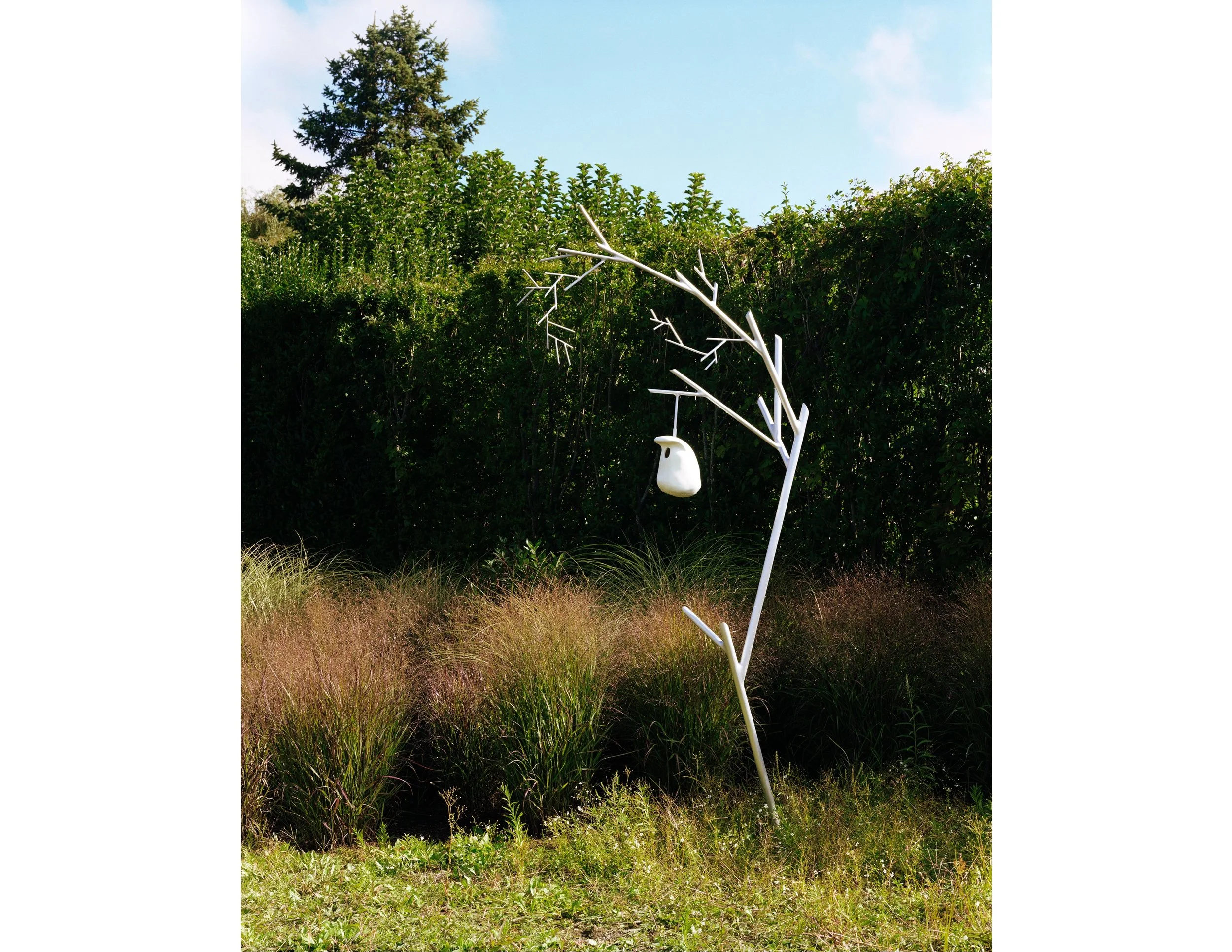
Bird Nesting Tree
Welded aluminum and cast plastic
-
![]()
Gnome 4
Painted cast aluminum in moss planting
-
![]()
Crystal Terrarium
Hand blown glass, substrate, crystals
-
![]()
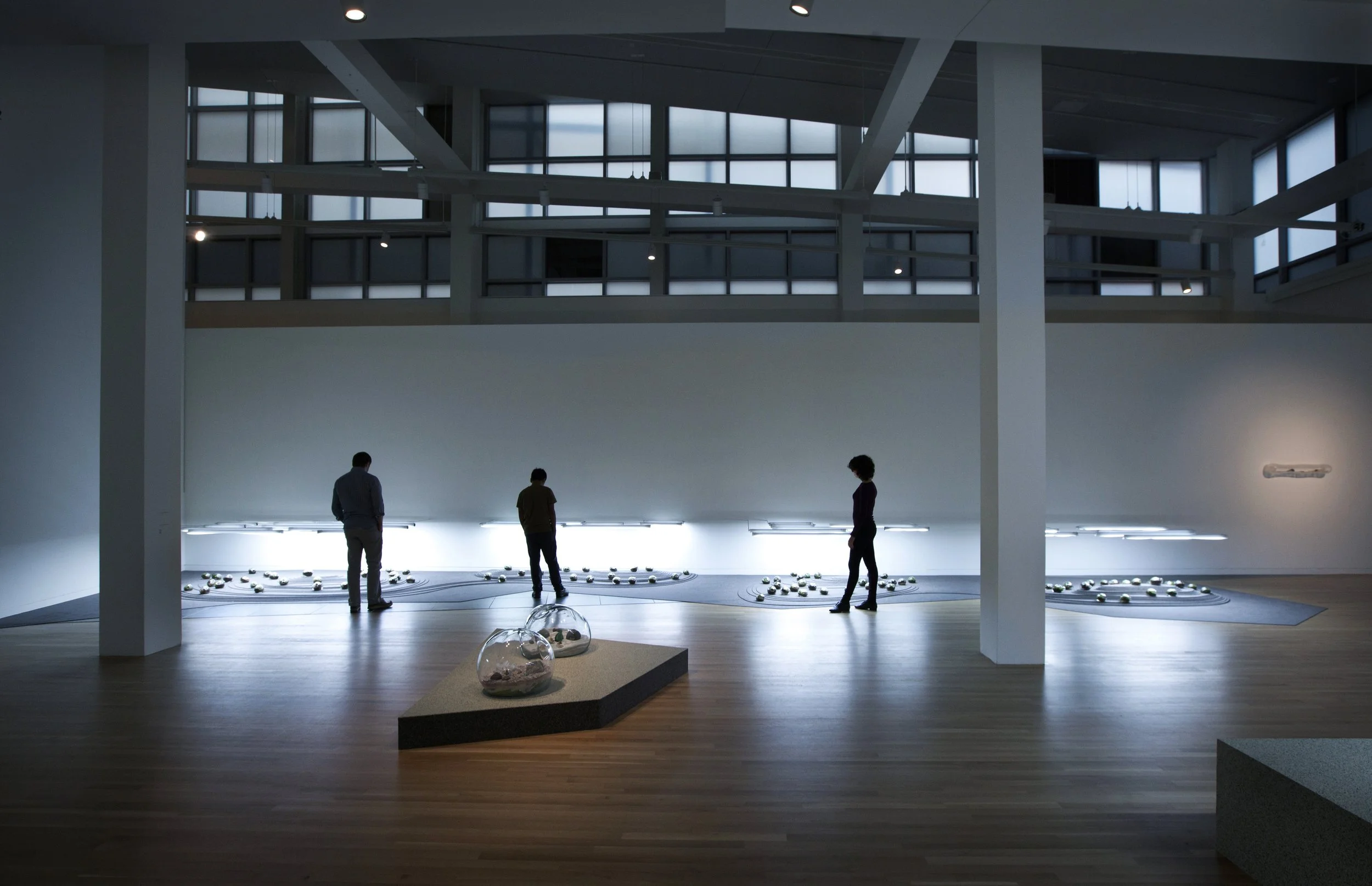
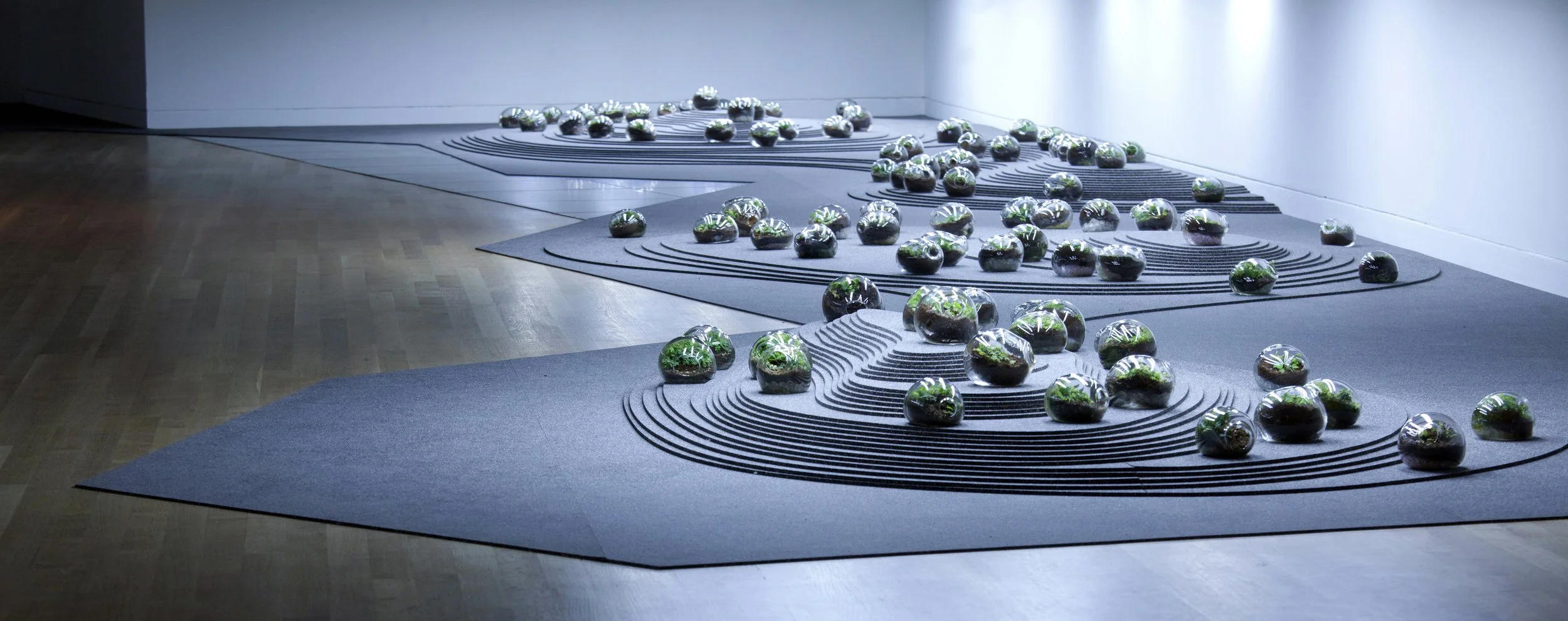
Hills and Clouds
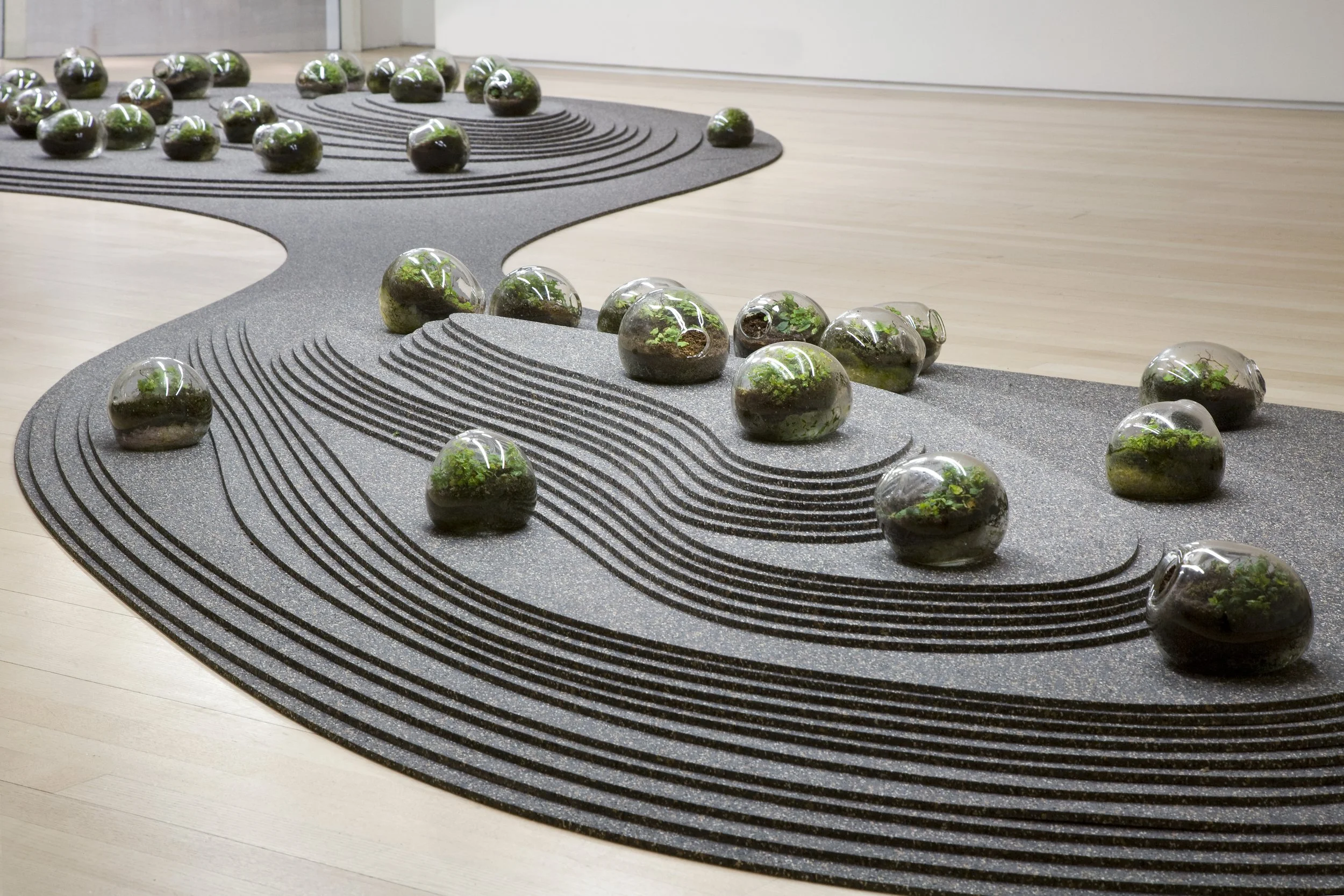
Handblown glass terrariums on cut rubber flooring
-
![]()
Lucid Green
Artist book in wall mounted cast acrylic case published by Carolina Nitsch
-
![]()
Gnomes
Cast Aluminum and Bronze
-
![]()
Gnome
Cast Bronze
-
![]()
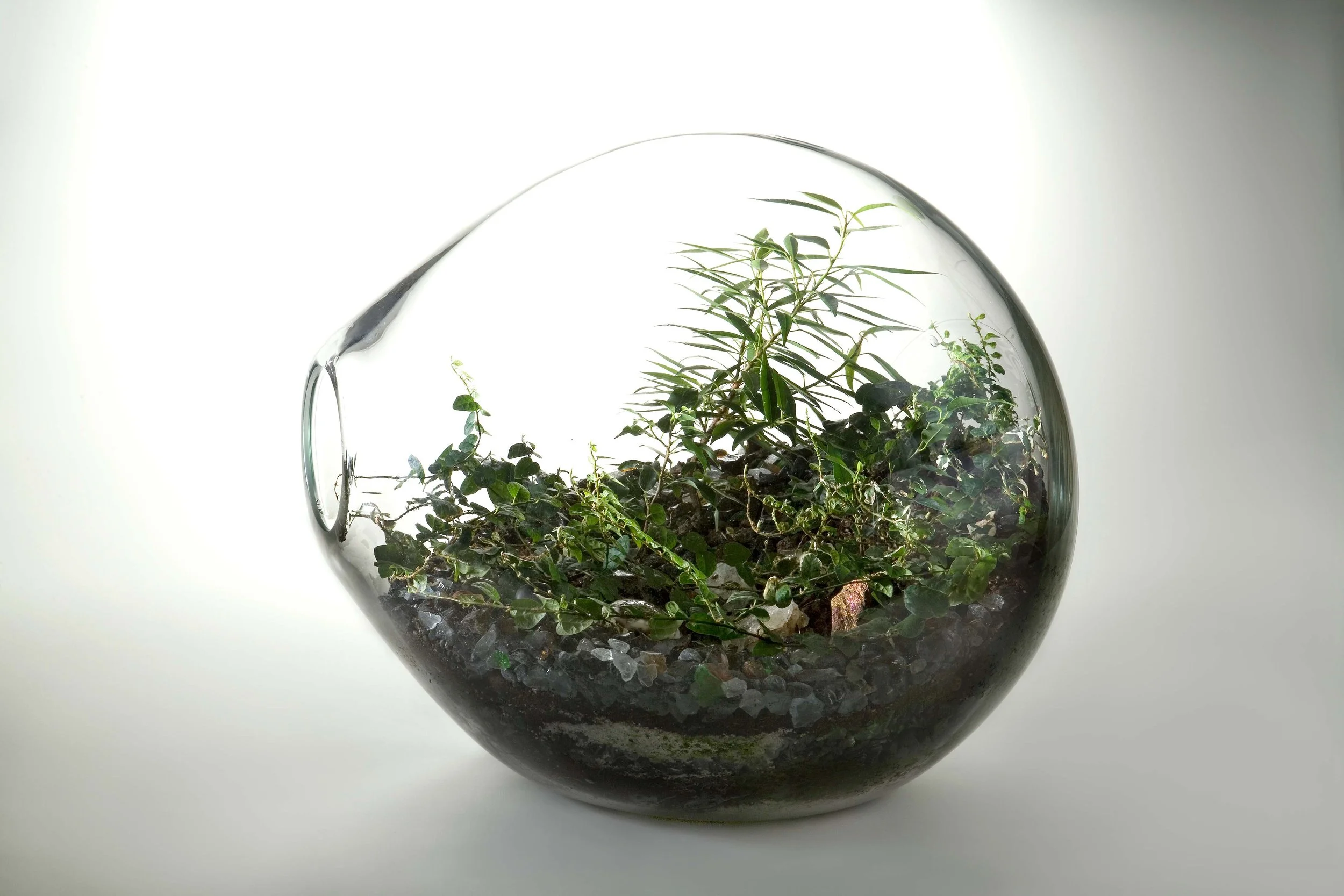
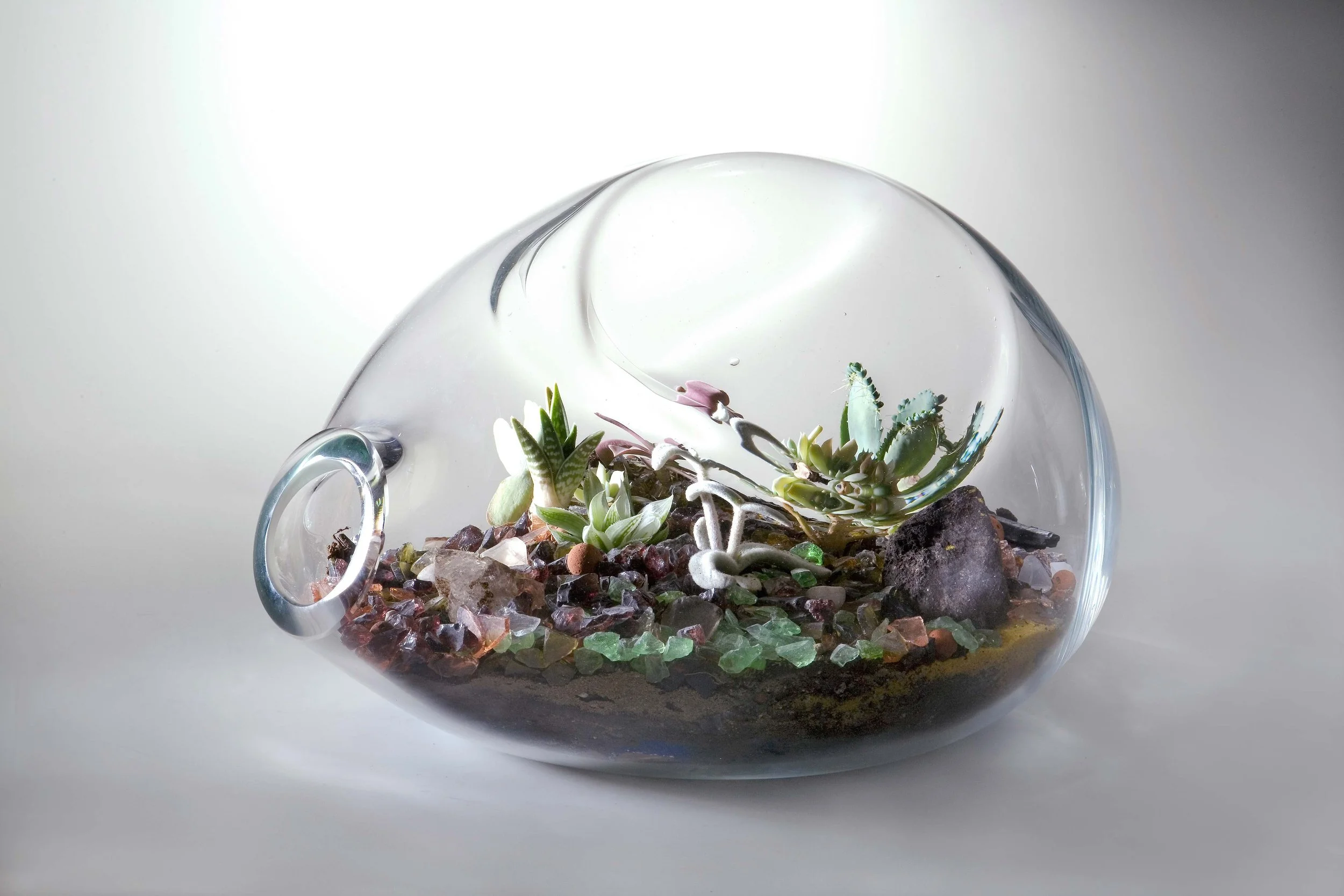
Living Terrariums
Handblown glass and living plants, time
-
![]()
MG6
Handblown glass, living plants, time
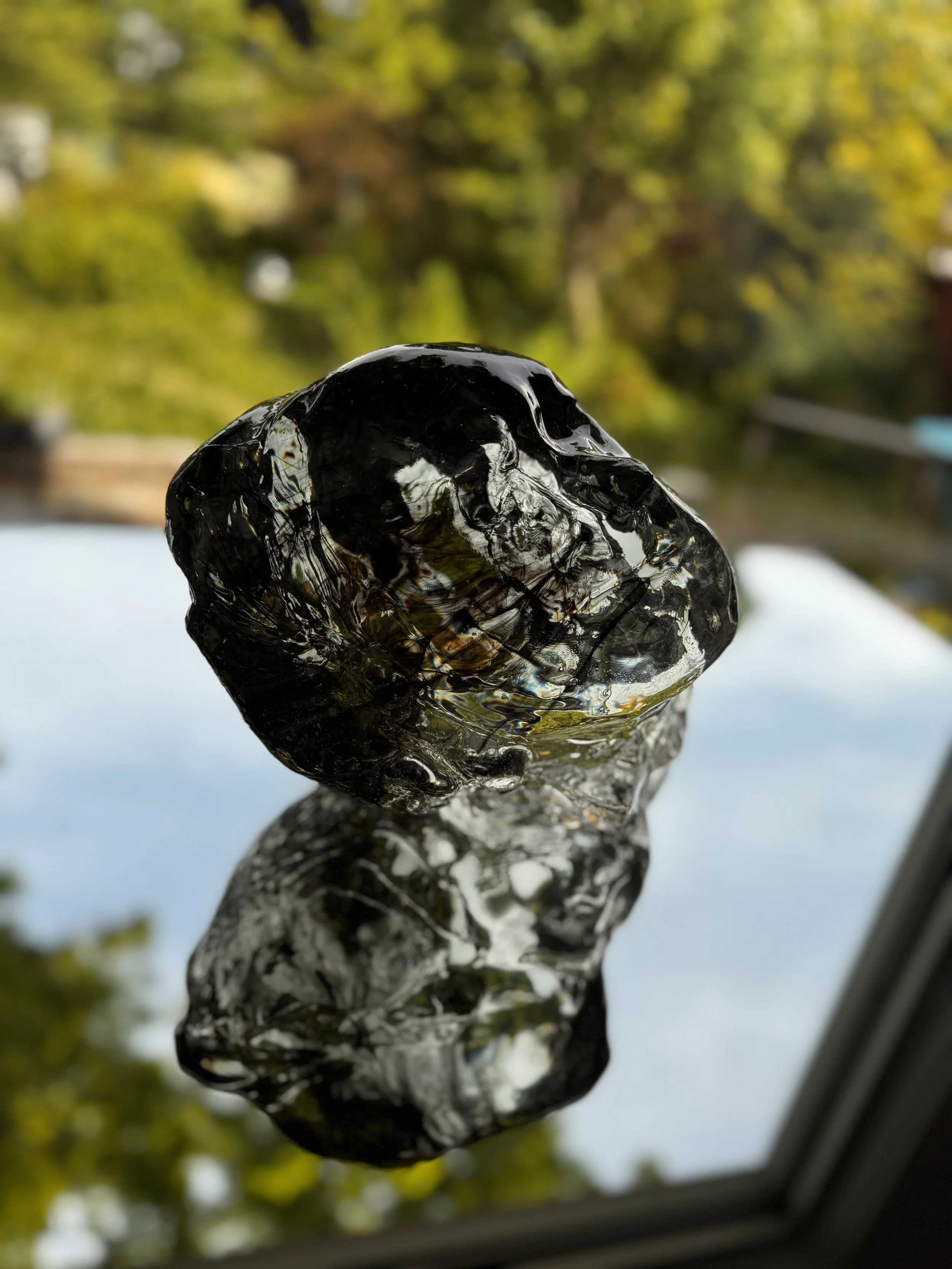
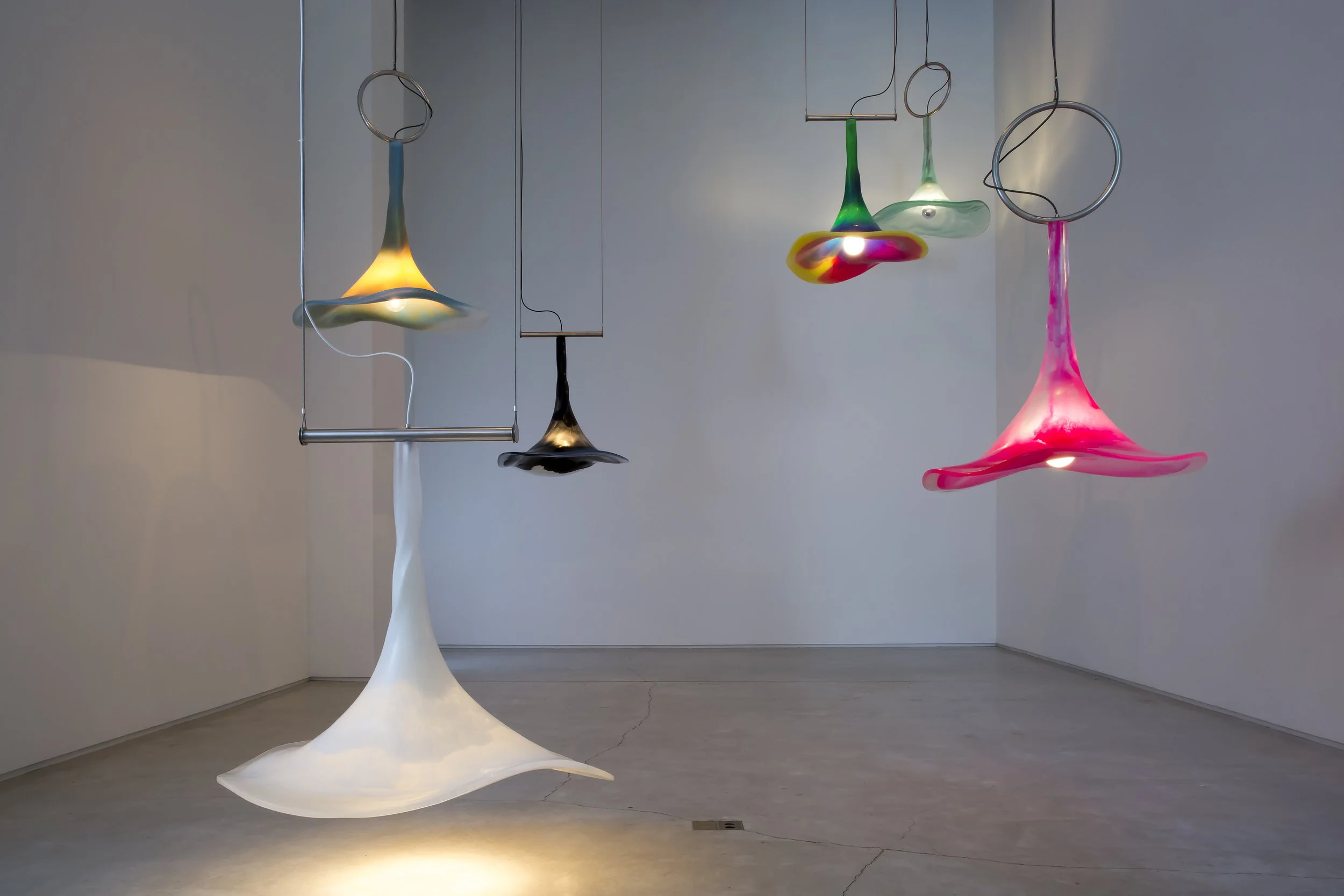



Selected Landscapes
-
![]()
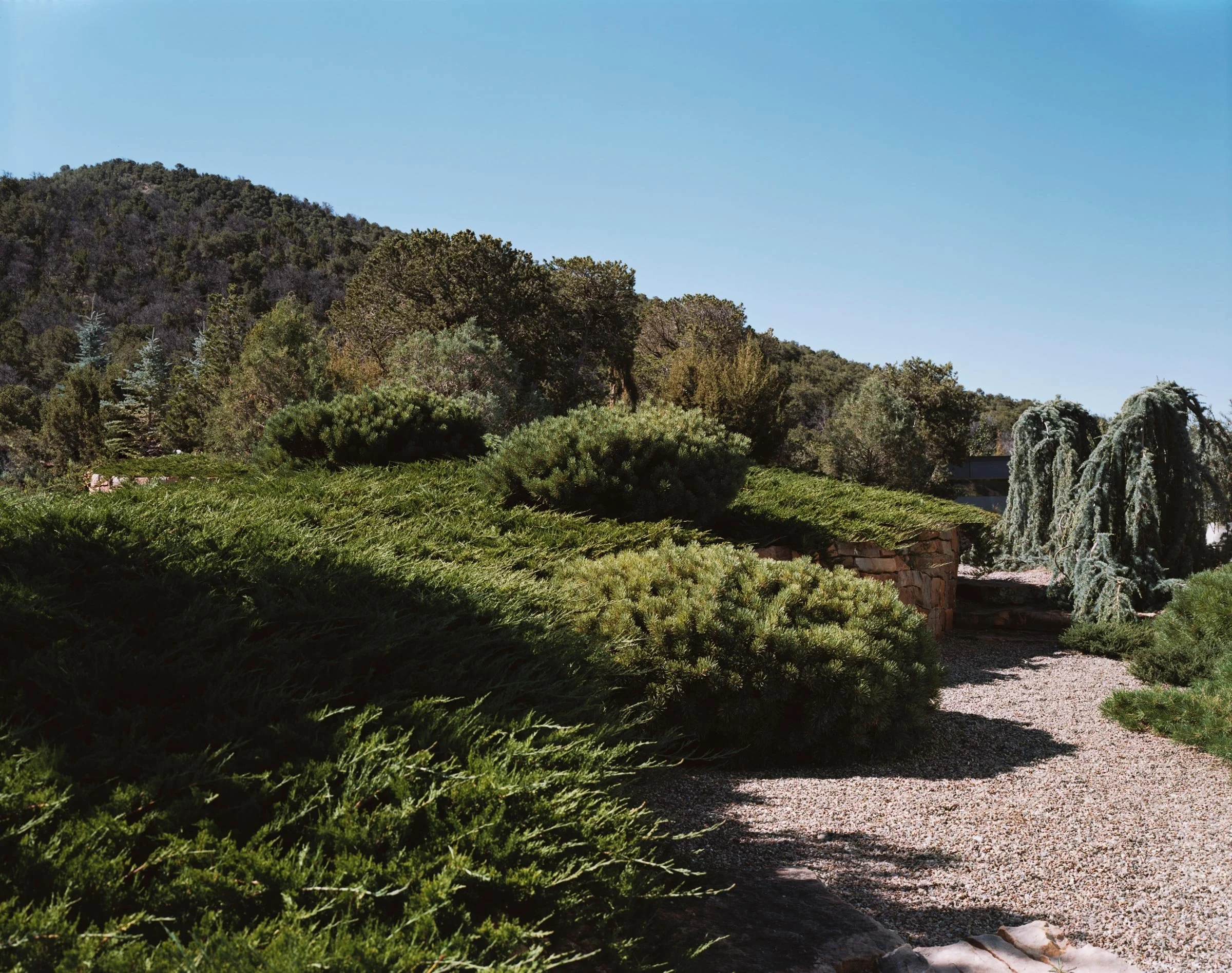
Klein Landscape
Santa Fe, New Mexico
-
![]()
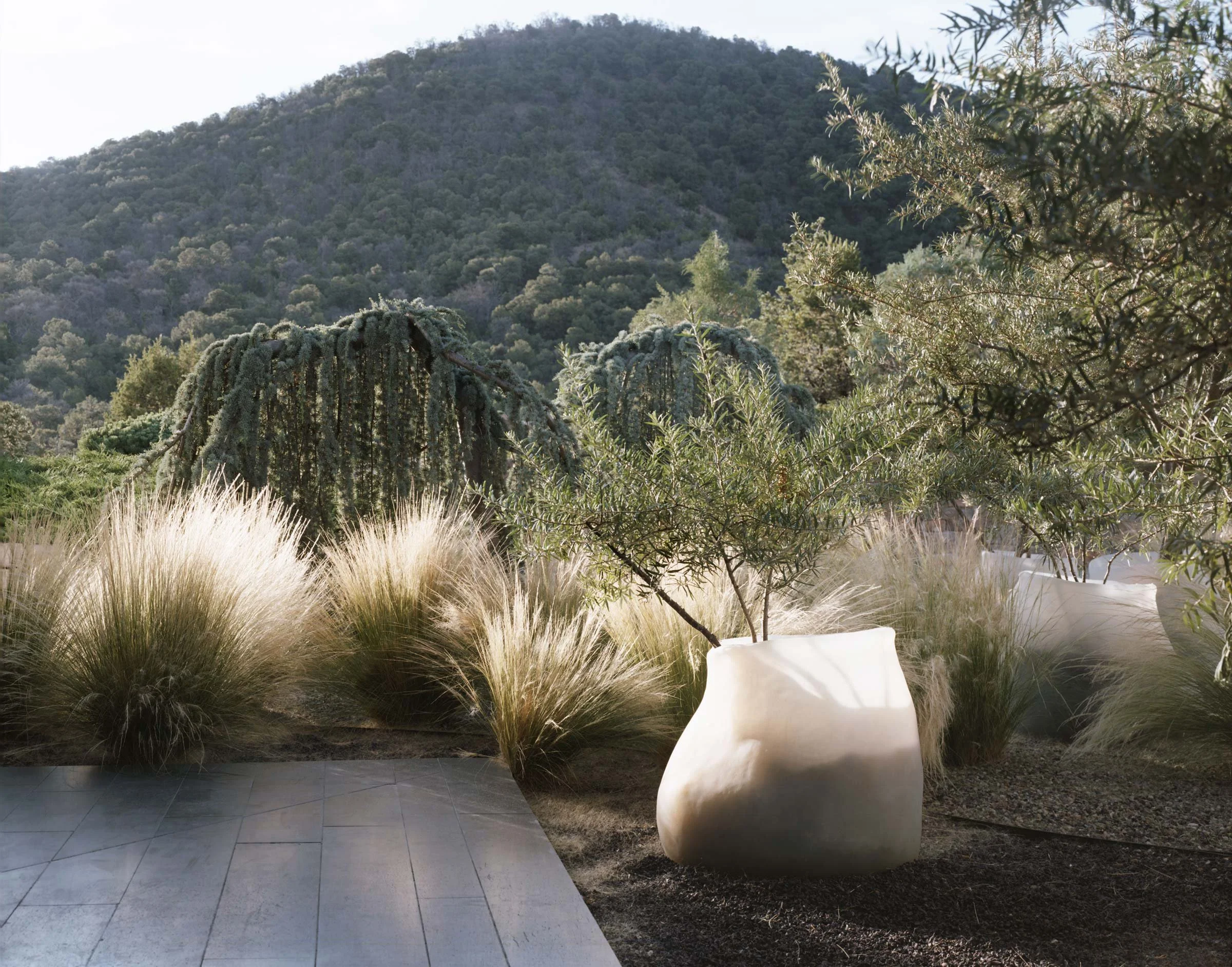
Klein Landscape
Santa Fe, New Mexico
-
![]()
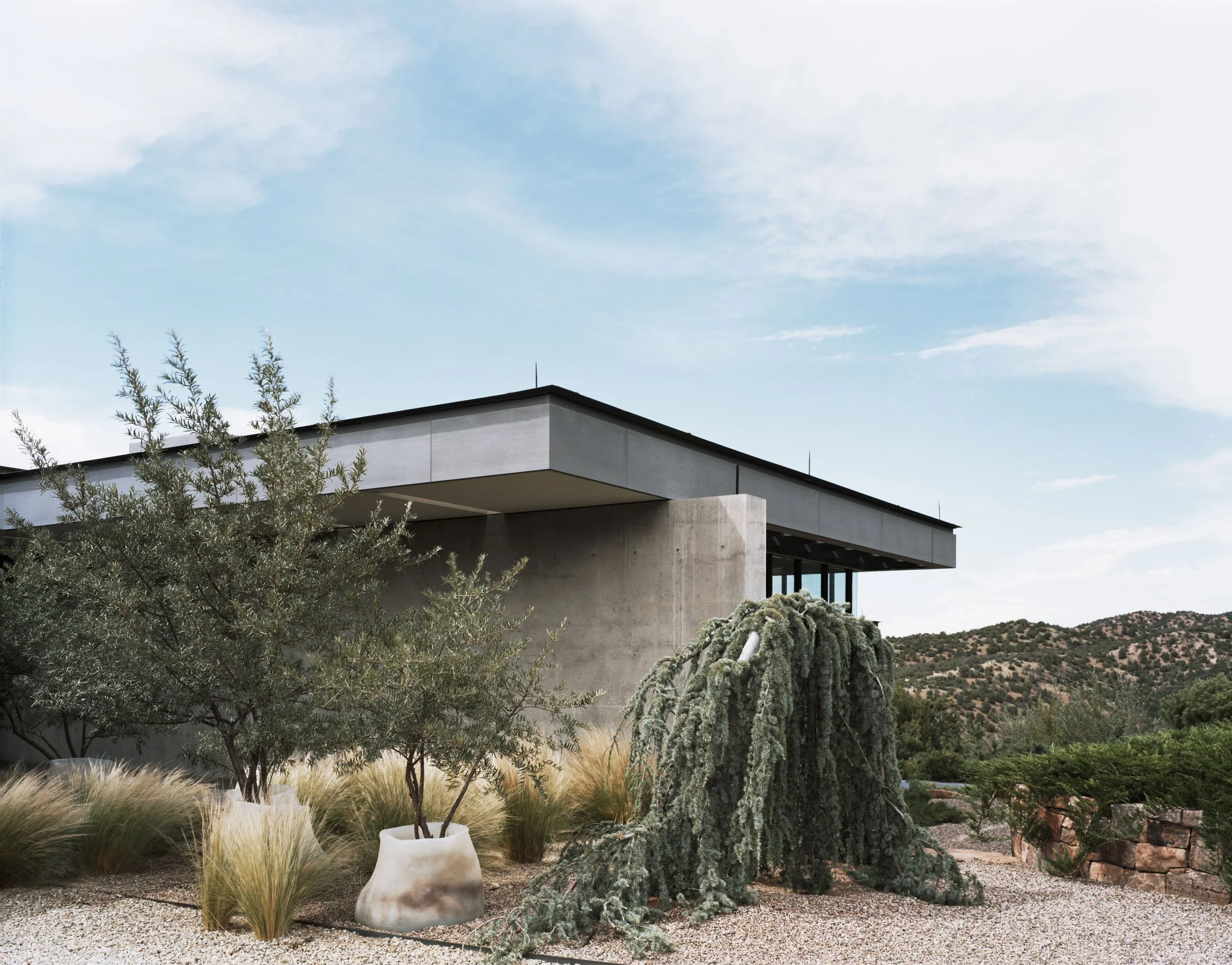
Klein Landscape
Santa Fe, New Mexico
-
![]()
Klein Landscape
Santa Fe, New Mexico
-
![]()
Elizabeth Rosen Landscape
Hamptons Landscape
-
![]()
Elizabeth Rosen Landscape
Hamptons Landscape
-
![]()
Elizabeth Rosen Landscape
Hamptons Landscape
-
![]()
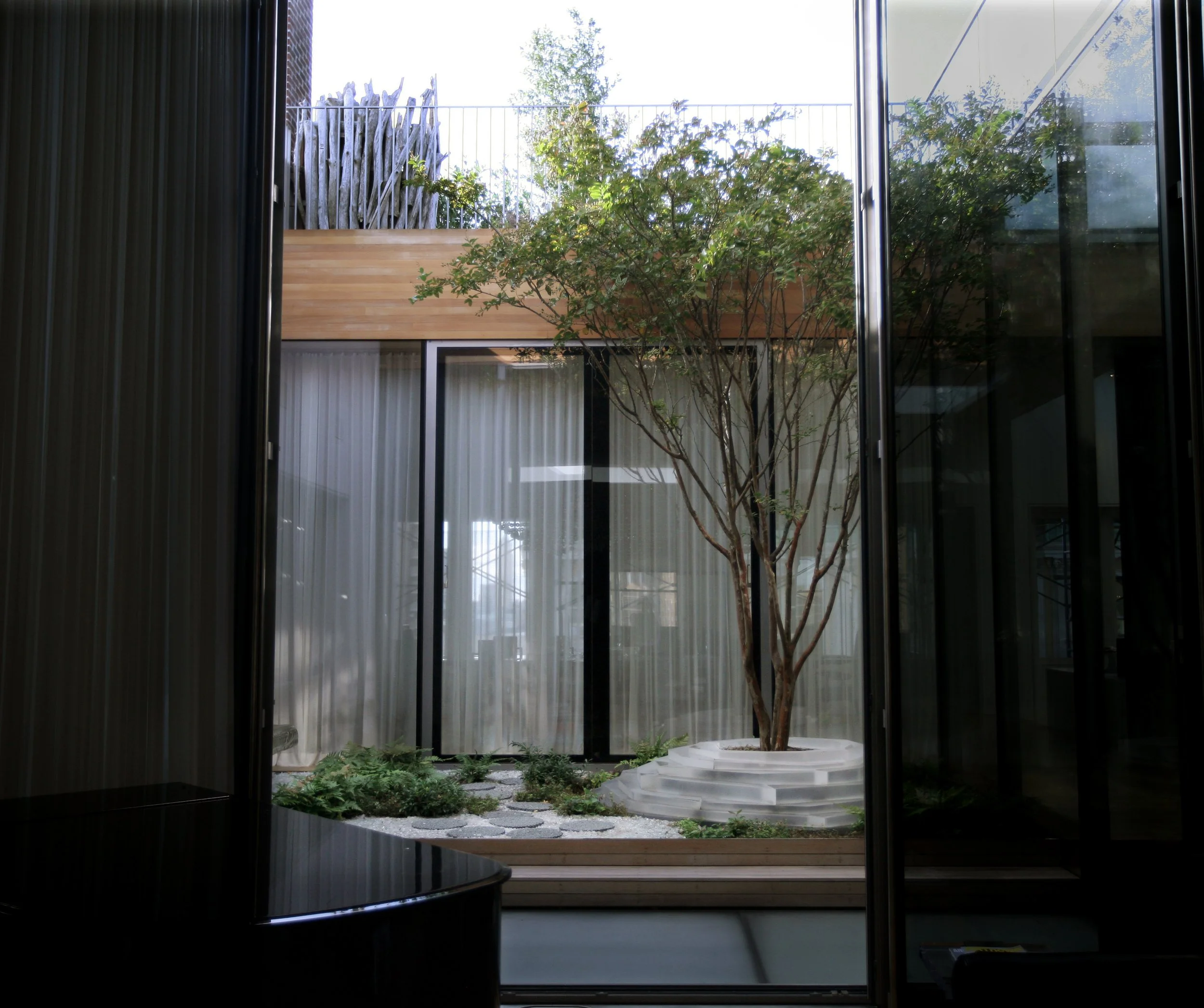
Tribeca Rooftop Garden
Native plantings, cast acrylic sculptural planter
-
![]()
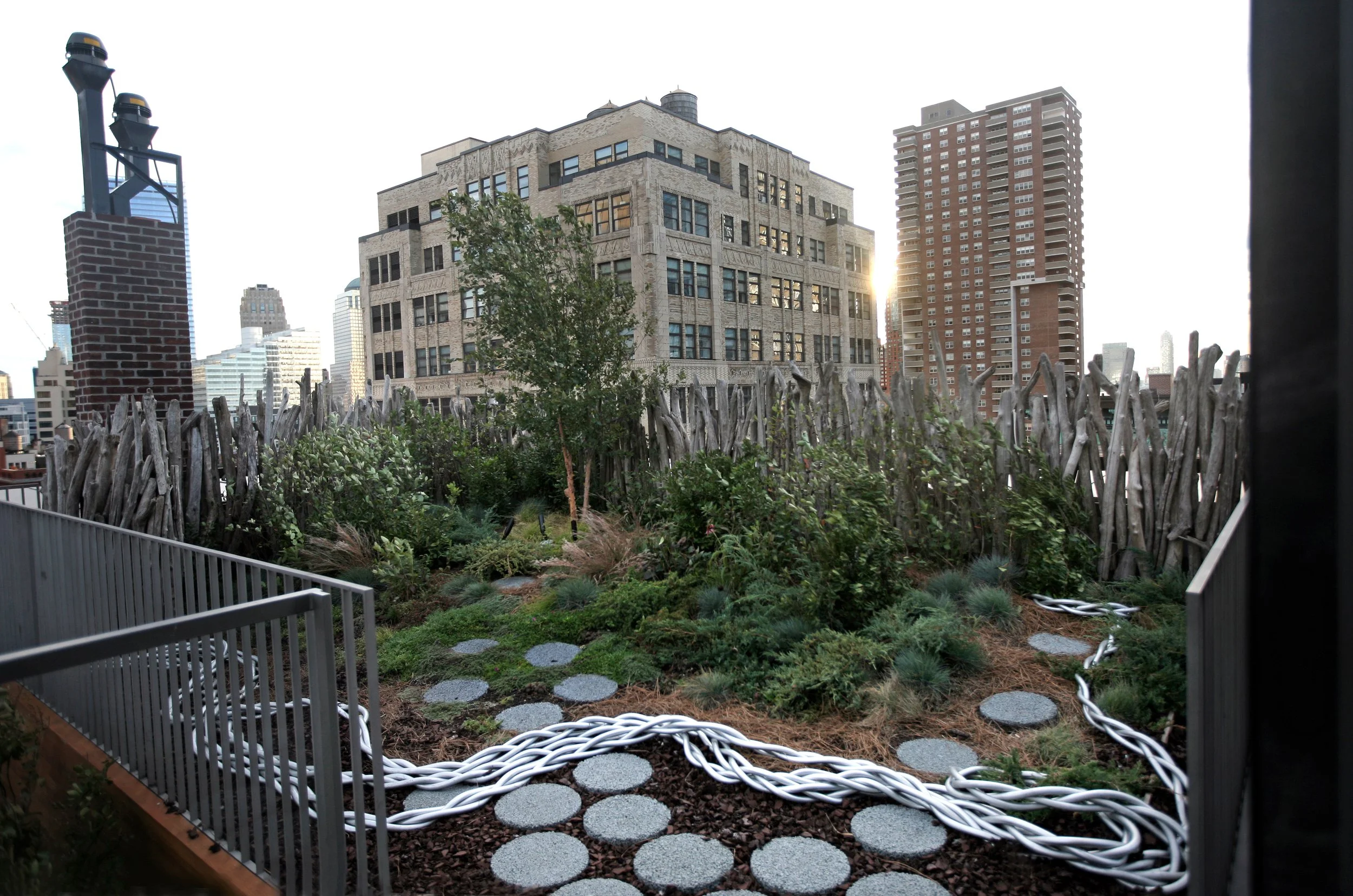
Tribeca Rooftop Garden
Native planting, recycled rubber materials, cast acrylic sculptural planter, cast silicone planters, driftwood fence
-
![]()
East Hampton Estate
East Hampton, NY, Coastal planting and my carved black marble birdbath sculpture
-
![]()
East Hampton Estate
Coastal native plants
-
![]()
East Hampton Estate
Coastal native plants planting, historic and contemporary sculpture,
-
![]()
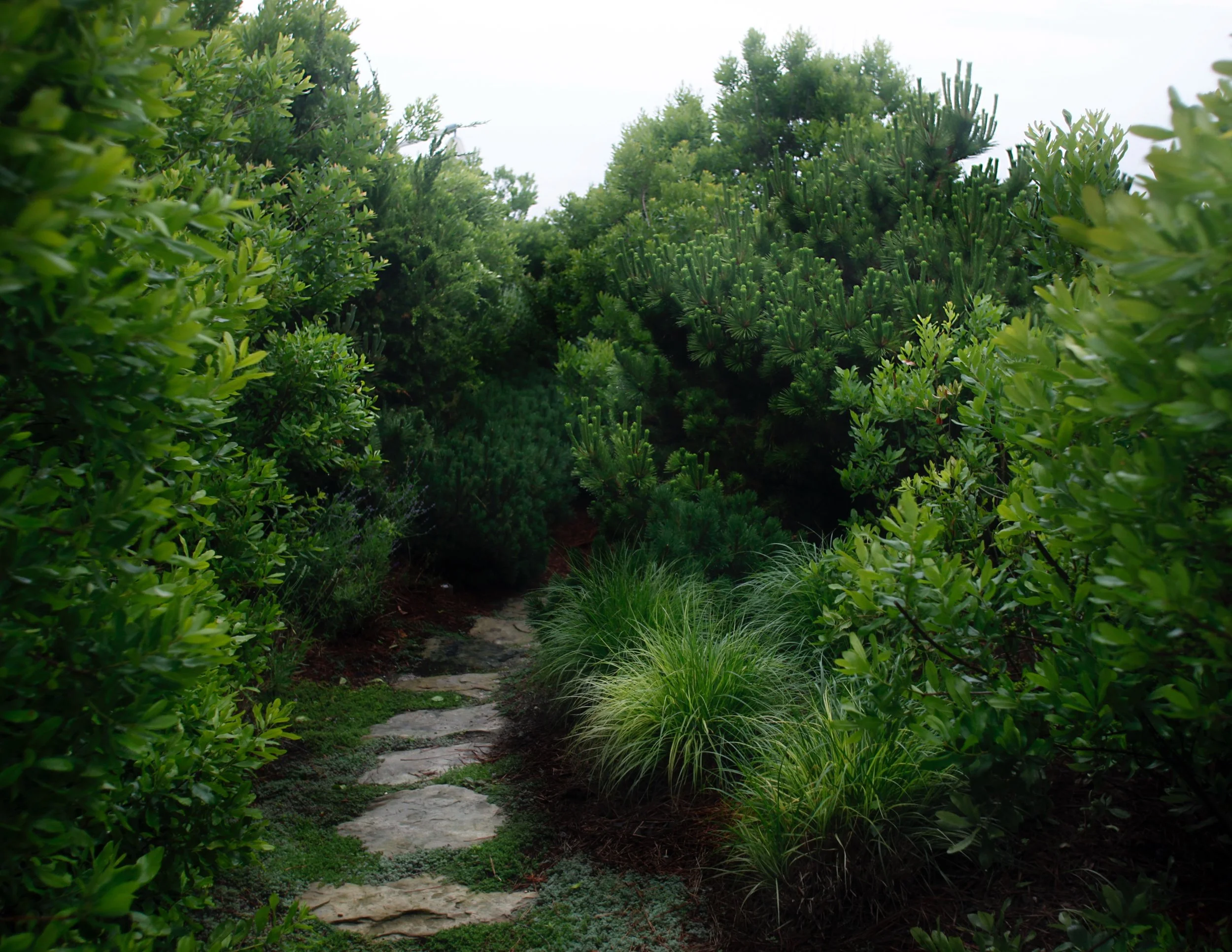
Beach House
Coastal planting and collection of sculptural planters and trees





About
Selected Exhibitions, Commissions, and Landscapes
Solo Exhibitions and Commissions
2026
“Caves and Minds”, permanent commission, Crystal Bridges Museum of American Art, Bentonville, Arkansas
“Overlook”, permanent sculpture garden, Lyndhurst Mansion, A Site of the National Trust for Historic Preservation, Tarrytown, NY
2018
"Paula Hayes", Aspen Art Museum’s Crown Commons, Aspen, CO (June 1 to October 14, 2018)
2017
“Summer Garden”, rooftop project at Gagosian Beverly Hills, Beverly Hills, CA (April to August, 2017)
2016
“Canoes”, permanent planted commission, Seagram Building, New York, NY
2015
“Morning Glory”, Salon 94 Bowery, New York, NY (February 20 to March 21, 2015)
“Gazing Globes”, Madison Square Park, New York, NY (February 19, 2015 to April 19th, 2015)
2014
“This Bird Saved Me”, Rhona Hoffman Gallery, Chicago, IL (September 12, 2014 to October 25, 2014)
“Paula Hayes”, OMI International Arts Center, Ghent, NY, September 26 to November 11, 2014
“Lucid Green”, Carolina Nitsch Project Room, New York, NY (April 25, 2014 to June 28, 2014)
2012
“Drawings and Objects,” Glenn Horowitz Booksellers, East Hampton, NY (June 30, 2012 to July 30, 2012)
“Hills, Clouds & Giants,” Salon 94, New York, NY (May 6, 2012 to June 1, 2012)
2011
“Land Mind,” Lever House, New York, NY (November 4, 2011 to April 27, 2012)
“Paula Hayes”, Wexner Art Center, Columbus, OH (September 16 to December 30, 2011)
2010
“Nocturne of the Limax maximus,” Museum of Modern Art, New York, NY
“Understory” The Frances Young Tang Teaching Museum & Art Gallery, Skidmore College, Saratoga Springs, NY
“Paula Hayes Domestic,” Marianne Boesky Gallery, New York, NY
2009
“Excerpts From The Story of Planet Thear,” Marianne Boesky Gallery, New York, NY
2008
“Paula Hayes”, Patricia Low Contemporary, Gstaad, Switzerland
2007
“Paula Hayes”, Rhona Hoffman Gallery, Chicago, IL
2004
“Forest,” Salon 94, New York, NY
1998
“Paula Hayes”, Galerie fur Landschaftskunst, Hamburg, Germany
1997
“Paula Hayes”, AC Project Room, New York, NY
1995
“Paula Hayes”, Eigen + Art, Berlin, Germany
1994
Fawbush Gallery, New York, NY
1992
Fawbush Gallery, New York, NY
Selected Group Exhibitions
2024
"Other Realities (Exploring Proximate Mysticisms), Bill Arning Exhibitions, Kinderhook, NY- Justin Vivian Bond, Jesse Bransford, Lionel Cruet, Paula Hayes, Elisabeth Insogna, Frederick Gladding , May 18 2024 - June 23, 2024
2023
"Kindred Spirits", curated by Becky Hart, 2023, Athens Cultural Center, Athens, NY
"Notational", Bill Arning Exhibitions, Kinderhook, NY, John Hatfield, Paula Hayes, Robin Kahn,
2022
"Women's Work", curated by Howard Zar, Lyndhurst Mansion, Tarrytown, New York
"Via Lactea" Paula Hayes, Randy Polumbo, Cristina Grajales Gallery, 50 Vestry Street, New York, NY
2020
“Cross Pollination in Art and the Environment from 19th Century to the Contemporary Moment”, a national traveling exhibition, May 9, Due to begin at Olana State Historic Site, Hudson, NY and Thomas Cole National Historic Site, Catskill, NY, The Cummer Museum of Art and Gardens, Jacksonville, FL, Reynolda House Museum of American Art, Winston-Salem, NC, Crystal Bridges Museum of American Art, Bentonville, AR
2019
“Lyndhurst Flower Show”, Lyndhurst Historic Mansion, Tarrytown, NY (April 5-7)
2018
“The Future is Bright”, Hudson Yards, New York, NY (November 26 to December 28)
“The Cultivist”, Pop-up art installation, New York NY (May 2)
2017
"Birdbath", Museum of Modern Art Sculpture Garden, New York, NY (July 2017 – May 2018)
2015
“Emanation: Art + Process” , Wheaton Arts and Cultural Center, Millville, NJ (May 1, 2015 – January 4, 2016)
Carolina Nitsch booth, The Armory Show, March 5-8
2014
“NYC Makers, The MAD Biennial”, The Museum of Art and Design, New York, NY (July 1 – October 12)
“Brucennial 2014”, Vito Schnabel and the Bruce High Quality Foundation, New York, NY
2013
“David Adjaye, Paula Hayes, Rick Owens,” Salon 94 booth, Design Miami Basel (June 10-13)
Carolina Nitsch booth, Art Basel, (June 13-16)
OMI International Art Center, Ghent, NY, (opened June 15th, permanent installation)
Emscherkunst 2013, Essen, Germany (June 22-October 6)
2012
“Verdant,” Curated by Lisa Tung, Massachusetts College of Art and Design, Sandra and David Bakalar Gallery, Boston
“Glasstress,” Berengo Centre for Contemporary Art and Glass, Murano, Venice, Italy
2010
“Open Score Variations,” Center for Curatorial Studies, Bard College, Annandale-on-Hudson, NY
“(Re)designing Nature,” curated by Susanne Witzgall, Künstlerhaus, Vienna, Austria
2009
“Spiritus Mundi,” Eco-Art Exhibition at the Climate Change Conference, Copenhagen, Denmark
“Animamix Biennial” at Museum of Contemporary Art, Taipei, Taiwan
2008
“The Objects Show,” R 20th Century, New York, NY
“Mineral Plant Animal,” curated by Maggie Trakas, Dosa 818, Los Angeles, CA
“Mend,” Proteus Gowanus, Brooklyn, NY
“Something from Nothing,” curated by Dan Cameron, Contemporary Art Center, New Orleans, LA
2006
“Design Miami ’06,” Miami, FL
“Winter Show,” Wave Hill, New York, NY
“Garden Paradise,” Arsenal Gallery, New York, NY
“Garden Improvement,” Wave Hill, Glyndor Gallery, New York, NY
“The Orchid Thief,” Sandra Gehring Gallery, New York, NY
2005
“Down the Garden Path: The Artist’s Garden After Modernism,” curated by Valerie Smith, Queens Museum of Art, Queens, NY
2003
“Project Room,” Ten in One Gallery, New York, NY
2002
“Works on Paper,” curated by Ron Platt, Weatherspoon Museum, University of North Carolina
“What’s the Use?,” curated by Heather Nichol, University of Michigan Art Gallery
2001
“Project Row Houses,” Houston, TX “To the Trade,” curated by Bernard Brunon, Diverse Works, Houston, TX
2000
“Paula Hayes and Joseph Gringely,” The Suburban, Oak Park, IL
“La Ville/ Le Jardin/ La Mémoire,” Villa Medicis, Rome
Landscapes
2016- 2019
"18 Acre Coastal Retreat", East Hampton, NY, with Cook Fox Architects, with native plants meadows, natural pond, dune restoration, green roofs, planted terraces, commissioned living art works inside and outside
“Pariser Garden Planted Installations”, New York, NY
2018
“Idaho Landscape”, Harrison, ID “Dallas Landscape”, Dallas, TX
“Kanders Landscape”, New York, NY
2017
“42 Crosby Street Lobby”, permanent planted commission, New York, NY
2015-2018
"Coastal Retreat", East Hampton
2017
“Lora Reynolds Landscape”, Austin, TX2010
“Atlantic Ocean Landscape, Phase 04,” East Hampton, NY
“Multi-tiered Crystal Garden, Phase 03,” New York, NY
“David & Monica Zwirner Garden,” Montauk, NY
“Marianne Boesky Garden, Rooftop Forest,” New York, NY
“Paula Hayes & Teo Camporeale Tipi Garden,” Brooklyn, NY
2009
“Treetops Terrace, Moss Garden,” New York, NY
“Hauser & Wirth Gallery,” New York, NY
“Private Residence,” East Hampton, NY
“Bathroom Forest,” New York, NY
“Ells Garden,” New York, NY
2008
“W Hotel Landscape,” Miami Beach, FL
“Multi-tiered Crystal Garden,” New York, NY
“Treetops Terrace,” New York, NY
“Jill Stuart & Ron Curtis Garden,” New York, NY
“David & Monica Zwirner Garden,” New York, NY
“Tom & Andrea Bernstein Landscape,” East Hampton, NY
2007
“Marianne Boesky Garden, Chelsea,” New York, NY
“Private Residence,” East Hampton, NY
“Andrea Kerzner Garden,” New York, NY
“Elizabeth Rosen Landscape,” Watermill, NY
2006
“Iris & Jim Marden Garden,” New York, NY
“Diana & Rafael Viñoly Garden,” Miami, FL
2005
“David Zwirner Gallery,” New York, NY
“Zwirner & Wirth Gallery Garden,” New York, NY
“Lee-Tenenbaum Garden,” New York, NY
“Historic Morven Museum Landscape,” Princeton, NJ, (not executed)
2004
“Howard Hughes Medical Institute Research Campus,” Leesburg, VA
“Atlantic Ocean Landscape,” East Hampton, NY
“Mickey & Jeanne Klein Landscape,” Santa Fe, NM
“David & Monica Zwirner Garden,” New York, NY
“Cleveland Museum of Art,” Cleveland, OH, (not executed)
2003
“Private Residence,” New York, NY
2002
“Jeanne Greenberg-Rohatyn Garden,” New York, NY
2001
“Marianne Boesky Nantucket Landscape,” Nantucket Island, MA
2000
“Marianne Boesky Garden,” New York, NY
“Chris & Illya Vroom Garden,” New York, NY
“Ghost Planting,” Galerie fur Landschaftskunst, Hamburg, Germany
“88 Bleecker Street Lobby,” New York, NY
“Apple Maze,” Bauhaus University, Weimar, Germany
Abbreviated Biography
2024
Garden Fit on PBS, Season2, Episode 6, https://www.pbs.org/video/litt... Little Worlds With Big Ideas, March 2024
2019
NY1, July 1, 2019, “Meet a Brooklyn Artist Who Inspired a Terrarium Home Decor Trend”, Stephanie Simon, https://www.ny1.com/nyc/all-boroughs/news/2019/07/01/manhattan-artist-inspires-indoor-gardens- Dwell, January 2018, “Earthly Delights”, Julie Lasky, pp 44-49
2018
Vogue Mexico, August 2018, “Living Creation”, Regina Montemayor, pp. 162-163
Cultured Magazine, June, July, August 2018, “Earthly Delights”, pg. 216
Cultured Magazine (on-line), July 20, 2018, “Artist Paula Hayes’ Cultured Commission is for the birds”, Sarah Roffino, https://www.culturedmag.com/paula-hayes-2
Landscape Architecture Magazine, June 2018, “Reviving ‘Baltimore’s Front Porch’”, Kim O’Connel, pp. 19-20
Aspen Daily News (in print and on-line), May 24, 2018, “The Aspen Art Museum welcomes birds and a mini-meadow”, Mitzi Rapkin, pg. 7
Artsy (on-line), April 20, 2018, “Terrariums Let Anyone Create a “Perfect World” in Their Own Apartment”, Kate Groetzinger, https://www.artsy.net/article/artsy-editorial-terrariums-create-perfect-world-apartment
Art Forum (on-line), February 21, 2018, “Paula Hayes named the Baltimore Museum of Art's First Landscape Artist in Residence”, https://www.artforum.com/news/paula-hayes-named-the-baltimore-museum-of-art-s-first-landscape-artist-in-residence-743892015
Wall Street Journal (in print and on-line), February 16, 2015, “An Enchanted Global Invasion”, Ralph Gardner, pg. A14
T Magazine Blog, February 18, 2015, “Paula Hayes Reimagines a Victorian Totem in Madison Square Park”, Julie Baumgardner
Cultured Magazine, February-March 2015, “Globe Trotter”, Julie Baumgardner, pp. 134-135
Architectural Digest (on-line), Daily AD, February 19, 2015, “Two Paula Hayes exhibitions open in Manhattan “ Hannah Martin2013
Frame Magazine, May-June 2013, “Nature’s Networker”, Jane Szita, pp. 82 - 91
ARTnews, March 2013, “Growing Power,” Hilarie M. Sheets, pp. 76 - 81
2012
Art in America, October 7, 2012, “Paula Hayes Glenn Horowitz Bookseller,” Matthew Nichols
Interior Design Magazine, January 2012, “Absolutely Breathtaking,” Meghan Edwards, p. 171
Home Review Magazine of India (in print and on-line), February 2012, “Petite Forests,” Mala Bajaj, pp. 127 - 132 http://www.home-review.com/2012/02/petite-forests/...
Garden Design Magazine (in print and on-line), April 2012, “Paula Hayes at Lever House,” Katie Mendelson http://www.gardendesign.com/paula-hayes-at-lever-h...
2011
CBS Sunday Morning, January 16, 2011, “The Growing Trend of Terrariums,” Serena Altschul, http://www.cbsnews.com/video/watch/?id=7251965n&ta...
D Pages (on-line), November 1 2011, http://www.thedpages.com/november-2011#!__november...
Art Threat (on-line), November 1, 2011, “Engaged devotion and care “ Amanda McCuaig, http://artthreat.net/2011/11/engaged-devotion-and-...
NY Observer, (on-line and in print), November 3, 2011 (online), “House and Garden: Paula Hayes Brings the Tropics to Midtown”, Andrew Russeth and Sarah Douglas, (print version November 9, 2011), http://www.galleristny.com/2011/11/house-and-garde...
2010
New York Times, December 3, 2010, “Inside Art: Adding Green Space to MoMA with Tropical Terrariums,” Carol Vogel, Weekend Arts, C26
Artnet, November 18, 2010, “MoMA at its Very Best,” Charlie Finch, www.artnet.com/magazineus/features/finch/on-line-a...
New York Times, May 13, 2010, “For The Table, Biomorphic Shapes,” Penelope Green, Home, D2
2009
New York Times, July 3, 2009, “Art in Review: Paula Hayes…,” Roberta Smith, C24
New York Times, June 11, 2009, “Love Alters the Landscape,” Penelope Green, Home and Garden, D1
New York Magazine, August 3, 2009, “Hiding From the High Line,” Wendy Goodman, pp. 38 - 39
Elle Decor, October 2009, “Clear Thinking,” Jim Shi, pp. 151 - 155
Interior Design, August 2009, “The Artist’s Eye,” Meghan Edwards, p. 134
Garden Design, July/August 2009, “Art: Living Jewel Box,” L. C., p. 19
Vogue Living Australia, July/August 2009, “Living Canvas,” Felicity Loughrey, pp. 191 - 194
New York Times, April 23, 2009, “Shopping with Ken Smith: An Unexpected Oasis,” Elaine Louie, Home and Garden, D4
Verde Es Vida, October 2009, “Paula Hayes,” pp. 20 - 23
Igloo Habitat & Arhitectura, November 2009, “Agenda” | Design,” p.22
2008
Avant Gardeners, Tim Richardson, Thames & Hudson, pp. 132 - 137 1000 x
Landscape Architecture, Sibylle Kramer, Verlagshaus Braun
New York Times Magazine, May 2008, “Green Anchors,” Melissa Feldman, p. 24
New York Magazine, June 2, 2008, “The Deli-Flower Challenge,” Kaija Helmetag, p. 48
The Los Angeles Times, January 24, 2008, “An inside job on terrariums,” Bettijane Levine
2007
Town & Country, April 2007, “Art For A Small Planet,” Carol Kino, p. 108
The New York Times, August 26, 2007, “Possessed: The Eye of the Beheld,” David Colman, p. 8
Dwell, September, 2007, “Terra Ephemera,” Amber Bravo, pp. 162 - 169
Architectural Record, #3 2007, “Janelia Farm Research Campus,” p. 117
The New York Times Magazine, Feb. 26, 2007, “Cool and Collected,” p. 89
2006
Insideout, November 2006, “A Tale of Three Cities. New York,” p. 115
House and Garden, December 2006, “Pushing The Envelope,” p. 76
Interior Design, August 2006, “News Desk,” p. 60
Wallpaper, September 2006, “Wallpaper’s Hot Picks of the Latest Global Goings-on,” p. 69
The Boston Globe, April 6, 2006, “Glass Houses,” Ellen C. Wells
Garden Design, March 2006, “Terrarium Tales,” Joanna Fortnam, pp. 11 - 12